When it comes to home comfort, few appliances are as essential as a water heater. Whether you’re taking a hot shower on a chilly Portland morning or running a warm bath to unwind after a long day, the role of your water heater is undeniably crucial. However, water heater installation isn’t just about placing an appliance in your basement or utility room; it involves a nuanced understanding of plumbing, safety regulations, and energy efficiency. In this comprehensive guide, we delve deep into the intricacies of water heater installation in Portland, equipping you with the insights needed to make informed decisions. As homeowners navigate the myriad options available—from tankless systems to traditional storage heaters—understanding the specific requirements and benefits of each type becomes paramount.
This article aims to demystify the process of water heater installation, offering practical advice tailored to the unique needs of Portland residents. With a focus on local regulations and best practices, our guide ensures that you’re not only choosing the right system for your home but also adhering to all safety standards. Join us as we explore everything you need to know about water heater installation in Portland, from selecting the ideal model to understanding installation costs and maintenance tips. By arming yourself with this knowledge, you can enjoy reliable hot water and peace of mind for years to come. When it comes to water heater installation, understanding the various types of water heaters available is crucial for making an informed decision. In Portland, where temperatures can drop significantly, having a reliable water heater is essential for comfort and convenience.
The three primary types of water heaters are traditional tank heaters, tankless water heaters, and solar water heaters. Traditional tank heaters store hot water in a large tank and are often less expensive upfront but can consume more energy over time. Tankless water heaters, on the other hand, heat water on demand, offering greater efficiency and potentially lower energy bills, making them an appealing option for many homeowners. Solar water heaters utilize renewable energy sources, which can be an eco-friendly choice but may require a higher initial investment.
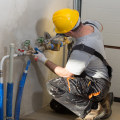
Selecting the right type based on individual needs, budget, and energy efficiency goals is paramount. The installation process of a water heater typically begins with a site assessment by a professional plumber. They will evaluate the existing plumbing and electrical systems, ensuring that they can accommodate the new unit. Once the assessment is complete, the plumber will prepare the area for installation by draining and disconnecting the old unit if necessary. The new water heater is then installed according to the manufacturer's specifications.
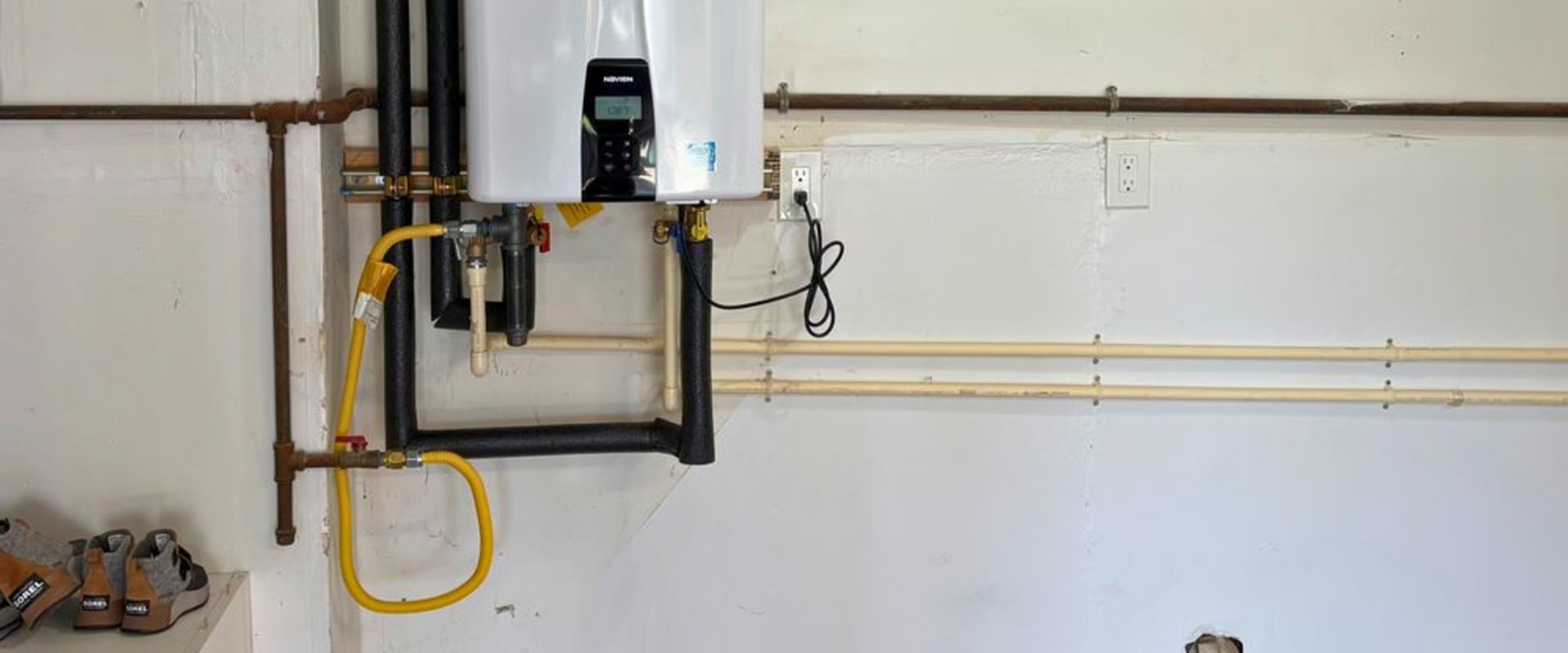
This process involves connecting the water supply lines, gas or electrical supply (depending on the type of heater), and ensuring proper venting for gas units. A thorough check of all connections and fittings is crucial to prevent future leaks. During installation, there may be common challenges that arise. For instance, older homes might have outdated plumbing systems that need updating to meet current standards. A licensed plumber has the expertise to handle such challenges effectively, ensuring that all work complies with local building codes and regulations in Portland.
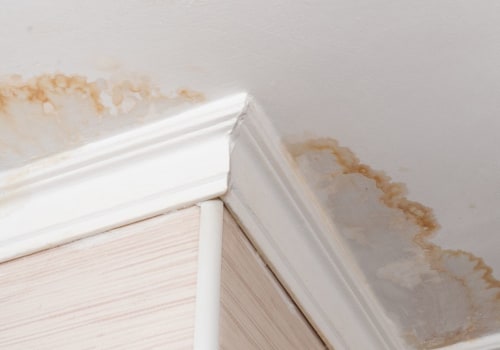
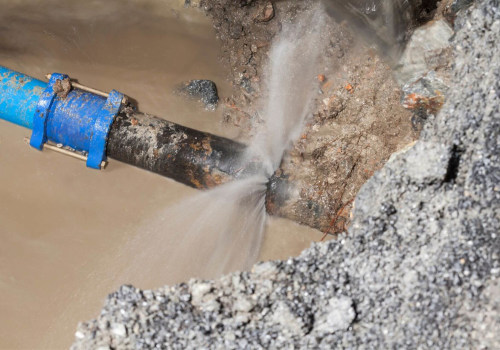
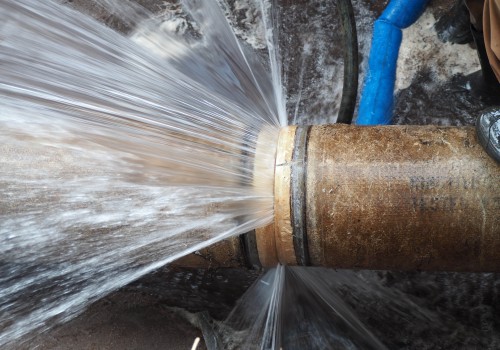
Adhering to these regulations not only ensures safety but also avoids potential fines or issues during home inspections. Improper installation can lead to several issues, including leaks, inefficient heating, and increased energy costs. For example, a poorly sealed connection might result in water leaks that can cause significant damage over time. Additionally, an improperly installed unit may not operate efficiently, leading to higher energy bills and reduced comfort. These problems underscore the importance of hiring a qualified professional for water heater installation.When considering who to hire for this important task, it's vital to choose a licensed and insured plumber.
This not only ensures that the job will be done correctly but also provides peace of mind regarding safety and compliance with local codes. A licensed plumber typically offers warranties on their work, further protecting your investment in case of any unforeseen issues post-installation. After your new water heater is installed, maintenance becomes key to prolonging its life and ensuring optimal performance. Regularly checking the pressure relief valve, flushing the tank annually to remove sediment buildup, and inspecting for leaks are essential maintenance tasks that homeowners should perform or schedule with their plumber. Simple actions like adjusting the thermostat to an appropriate temperature can also enhance efficiency and safety. Cost is often a concern when it comes to water heater installation, but it’s important to weigh affordability against quality service.
While opting for the cheapest option may save money upfront, investing in a reputable plumber ensures that the job is done correctly and efficiently from the start. Ultimately, quality service leads to long-term savings by reducing potential repair costs and enhancing the lifespan of your water heater.
Why Professional Installation Matters
When it comes to water heater installation, opting for professional services is not just a luxury; it’s a necessity. Many homeowners underestimate the complexities involved in installing a water heater, which can lead to significant problems down the line. Hiring licensed professionals ensures that the installation is done according to local codes and regulations, which is crucial for safety and efficiency. One of the primary reasons to engage professionals is to avoid common pitfalls such as incorrect sizing of the unit, improper venting, and inadequate connections.These issues can lead to inefficiencies, higher utility bills, and even potential hazards like gas leaks or water damage. Professionals have the experience and training to assess your home’s specific needs, ensuring that your new water heater operates at optimal capacity. Moreover, professional installation often comes with warranties on both the unit and the installation work. This added layer of protection offers peace of mind, knowing that if any issues arise, you are covered. Additionally, professionals can provide valuable advice on selecting the right type of water heater for your household, whether it’s a tankless system or a traditional storage tank. In summary, while DIY projects can be tempting, the importance of hiring licensed professionals for water heater installation cannot be overstated.
They not only ensure compliance with safety standards but also save you time and money in the long run by preventing installation errors.
Finding Affordable Plumbing Services in Portland
When it comes to water heater installation, finding affordable and reputable plumbing services in Portland can be a daunting task. With so many options available, it’s essential to know where to look and what to consider before making a decision. Start by researching local plumbing companies online. Look for those that have good reviews on platforms such as Google, Yelp, or Angie's List. Pay attention to customer feedback regarding their installation services, as this will give you an idea of the company’s reliability and quality of work. Another effective way to find affordable plumbing services is by asking for recommendations from friends, family, or neighbors.Personal experiences can often lead you to trustworthy plumbers who offer fair pricing for their services. Once you have a list of potential plumbing services, reach out to them for quotes. Be sure to ask detailed questions about their pricing structure, including any hidden fees that may not be immediately apparent. This will help you compare your options effectively and choose a service that fits your budget. Additionally, don’t hesitate to inquire about any ongoing promotions or discounts. Many plumbing companies offer seasonal deals that can significantly reduce the cost of water heater installation.Finally, ensure that any plumber you consider is licensed and insured.
This not only protects you but also ensures that you are hiring a professional who adheres to industry standards. By following these steps, you can find affordable plumbing services in Portland that provide quality water heater installation.
Understanding Different Types of Water Heaters
When considering water heater installation in Portland, it's essential to understand the different types of water heaters available. Each type comes with its own set of advantages and disadvantages that can impact your household's comfort and efficiency.1.Traditional Tank Water Heaters:
These are the most common type of water heaters, featuring a large tank that stores hot water. They come in various sizes, typically ranging from 20 to 80 gallons.Pros: They provide a ready supply of hot water and are generally less expensive to install.
Cons:
They can be less energy-efficient due to heat loss from the tank and may require more space.2.Tankless Water Heaters:
Also known as on-demand water heaters, these units heat water directly without the use of a storage tank.Pros:
They are energy-efficient since they only heat water as needed, saving on energy costs. They also take up less space.Cons: They may struggle to supply enough hot water for multiple simultaneous uses in larger households.
3.Heat Pump Water Heaters:
These systems utilize electricity to move heat from the air or ground to heat water, making them highly efficient.Pros:
They can significantly reduce energy bills and have a lower environmental impact.Cons:
They are typically more expensive to install and may not perform well in colder climates.4.Solar Water Heaters:
These systems harness solar energy to heat water, making them an eco-friendly option.Pros:
They can lead to substantial energy savings and reduce reliance on fossil fuels.Cons: Initial installation costs can be high, and they rely on sufficient sunlight for optimal performance.
5.Condensing Water Heaters:
These units capture and reuse heat that would otherwise be lost, making them highly efficient for homes that use natural gas.Pros:
They offer excellent efficiency and can save money on energy bills.Cons:
They can be more complex to install and may require additional venting. In conclusion, when selecting a water heater for your home in Portland, consider the size of your household, energy efficiency, installation costs, and your family's hot water needs. Consulting with a professional can help you determine which type is best suited for your situation.The Installation Process Explained
Installing a water heater is a significant task that requires careful planning and execution.Understanding the water heater installation process can help ensure that your unit operates efficiently and effectively. Below is a detailed step-by-step overview of what to expect during this process.
1.Assessment of Needs:
Before installation begins, a thorough assessment of your hot water needs is conducted. This includes evaluating the size of your household, peak usage times, and the existing plumbing system to determine the best type of water heater for your situation.2.Selection of Water Heater:
Based on the assessment, you will select a suitable water heater. Options may include tankless, traditional tank, or hybrid models.Each type has its benefits, and a professional can help guide your choice.
3.Preparation:
Before the actual installation, the area where the water heater will be placed must be prepared. This may involve clearing out space, ensuring proper ventilation, and making any necessary adjustments to plumbing or electrical systems.4.Removal of Old Unit:
If you are replacing an existing water heater, the old unit must be safely removed. This involves shutting off water and power supplies, disconnecting plumbing lines, and carefully taking out the old heater.5.Installation of New Unit:
The new water heater is then installed according to local building codes. This includes connecting water lines, gas or electrical connections, and venting systems as required.A professional installer ensures that all connections are secure and leak-free.
6.Testing the System:
Once installed, the new water heater is tested to ensure it operates correctly. This includes checking for leaks, verifying that heating elements function properly, and ensuring that hot water flows adequately.7.Final Adjustments:
After testing, final adjustments may be made to optimize performance. This could include setting the thermostat to the desired temperature or adjusting flow rates for efficiency.8.Clean-Up and Maintenance Instructions:
The installation team will clean up the work area and provide you with maintenance instructions. Regular maintenance is crucial for prolonging the life of your water heater, so understanding how to care for it will ensure ongoing reliability. This detailed overview should give you a clear understanding of what to expect during your water heater installation.Engaging a professional service not only simplifies the process but also enhances safety and efficiency.
Post-Installation Maintenance Tips
Once your water heater is installed, maintaining it is crucial to ensure its efficiency and longevity. Here are some practical maintenance tips that homeowners in Portland can follow:Regularly Check the Temperature: Set your water heater temperature to around 120°F. This not only helps in reducing energy consumption but also prevents scalding and keeps the water heater functioning optimally.Flush the Tank Annually
: Sediment buildup can reduce the efficiency of your water heater. Flushing the tank once a year removes sediment and prolongs its life.You can do this by attaching a garden hose to the drain valve and letting the water run until it is clear.
Inspect for Leaks
: Regularly check your water heater for any signs of leakage. Look around the unit and the connections for moisture, which could indicate a problem that needs immediate attention.Test the Pressure Relief Valve
: This safety feature helps prevent pressure build-up inside the tank. Lift the valve lever to release some water, and ensure that it closes properly afterward. This should be done at least once a year.Check Anode Rod Condition
: The anode rod helps prevent corrosion inside your water heater.Inspect it every few years and replace it if it’s more than 50% corroded. This can extend the lifespan of your unit significantly.
Insulate Your Water Heater
: Insulating your water heater and the first few feet of hot water pipes can reduce heat loss, improving efficiency. This is especially useful in colder climates like Portland.Schedule Professional Inspections
: Having a professional plumber inspect your water heater periodically ensures that everything is functioning correctly and any potential issues are addressed before they become significant problems. By following these maintenance tips, homeowners can help ensure that their water heaters operate efficiently and provide reliable hot water when needed. In conclusion, we have explored the essential aspects of water heater installation, emphasizing the significance of selecting the right type of water heater for your needs and understanding the detailed installation process. We highlighted how professional installation not only ensures safety and efficiency but also helps in avoiding common issues that can arise from improper setup.Additionally, we discussed the importance of post-installation maintenance to prolong the lifespan of your water heater and ensure consistent performance. As temperatures drop in Portland, having a reliable water heater is crucial for maintaining comfort in your home or business. Therefore, we encourage you to reach out to licensed plumbers in Portland for consultations or installations. By seeking professional help, you can ensure that your water heater is installed correctly and maintained effectively, providing peace of mind and reliable hot water when you need it most.