Every homeowner knows that plumbing issues can arise at any moment, often leading to frustrating situations. Whether it’s a leaky faucet, a clogged drain, or a running toilet, having the right tools on hand can make all the difference in addressing these common problems swiftly and efficiently. Basic plumbing tools neededBasic plumbing tools needed are not just for professional plumbers; they are essential for every homeowner who wants to take control of their home maintenance. In this article, we will explore the essential plumbing tools that should be part of your DIY repair toolkit. Understanding these tools and their uses will empower you to tackle minor plumbing repairs with confidence and save you money on costly service calls.
From adjustable wrenches to plungers, each tool plays a critical role in ensuring your plumbing system runs smoothly. So, whether you're a seasoned DIY enthusiast or just getting started, join us as we delve into the must-have plumbing tools that every homeowner should have at their disposal. Equip yourself with knowledge and the right equipment to handle any plumbing challenge that comes your way!When it comes to plumbing, having the right tools can make all the difference for homeowners looking to handle repairs themselves or for those who may need to call in a professional. The importance of having basic plumbing tools cannot be overstated, especially in a city like Portland, where timely plumbing services are often essential. By being equipped with the right tools, homeowners can save both time and money, whether they are tackling minor issues on their own or preparing to hire a plumber for more significant repairs. One of the most essential From adjustable wrenches to plungers, each tool plays a critical role in ensuring your plumbing system runs smoothly. So, whether you're a seasoned DIY enthusiast or just getting started, join us as we delve into the must-have plumbing tools that every homeowner should have at their disposal. Equip yourself with knowledge and the right equipment to handle any plumbing challenge that comes your way!When it comes to plumbing, having the right tools can make all the difference for homeowners looking to handle repairs themselves or for those who may need to call in a professional. The importance of having basic plumbing tools cannot be overstated, especially in a city like Portland, where timely plumbing services are often essential. By being equipped with the right tools, homeowners can save both time and money, whether they are tackling minor issues on their own or preparing to hire a plumber for more significant repairs. One of the most essential plumbing tools needed is the wrench.
Wrenches come in various sizes and types, including adjustable wrenches and pipe wrenches. These tools are crucial for loosening and tightening nuts and fittings, which is often necessary when dealing with leaky faucets or replacing old fixtures. For example, if a homeowner discovers a dripping faucet, an adjustable wrench can help remove the faucet handle and gain access to the cartridge inside, allowing for a simple repair. Another indispensable tool is the plunger. This tool is particularly useful for unclogging drains and toilets.
A plunger works by creating suction that dislodges blockages in pipes. For instance, if a toilet becomes clogged after a heavy use, a plunger can quickly restore functionality without the need for a plumber. Homeowners should keep a plunger handy as it can be a lifesaver during unexpected plumbing emergencies. Pipe cutters are also critical when it comes to making precise cuts in pipes during repairs or installations. This tool is especially useful when working with PVC or copper pipes that need to be replaced or adjusted.
For instance, if a homeowner is installing a new sink and needs to cut the existing pipes to fit, using a pipe cutter ensures clean cuts that make rejoining pipes easier and more effective. Additionally, a tape measure is vital for any plumbing project. Accurate measurements are necessary when installing new fixtures or repairing existing ones to ensure everything fits correctly. For example, before purchasing a new toilet or sink, measuring the space available helps prevent costly mistakes and ensures the new fixture will fit perfectly in the designated area. These tools not only help in emergency situations but also play a significant role in routine maintenance. Regular checks around sinks, toilets, and water heaters can help identify potential issues before they become major problems.
Having basic plumbing tools allows homeowners to address small leaks, tighten loose fittings, or clear minor clogs before they escalate into more severe issues requiring professional intervention. However, attempting repairs without these essential tools can lead to challenges that may complicate matters further. For example, trying to remove a nut with inadequate tools may cause damage to the plumbing fixtures or result in stripped threads, leading to costly repairs down the line. Without proper equipment, homeowners may find themselves frustrated and unable to complete simple tasks, which could lead them to seek out local plumbing services anyway. Ultimately, while having basic plumbing tools is crucial for DIY repairs, there are instances where professional help is necessary. Homeowners should recognize their limitations and consider local plumbing services for specialized needs that go beyond basic repairs.
This balance between DIY efforts and professional assistance can empower homeowners to take control of their home maintenance while ensuring that more complex issues are handled by experts.
When to Call a Professional
Even with a solid set of basic plumbing tools, there are instances where it is prudent to call in a licensed plumber.Complex plumbing issues
, such as significant leaks, clogged drains that won't budge, or problems with sewer lines, often require specialized knowledge and equipment that the average homeowner may not possess. Attempting to tackle these situations without the proper expertise can lead to further damage and more costly repairs. Additionally, if you encounter plumbing emergencies during odd hours or when immediate attention is necessary, a professional plumber can respond quickly. In a city like Portland, where timely services are vital, relying on experienced plumbers ensures that the problem is addressed efficiently and effectively. Furthermore, if you're facing code compliance issues, such as installing new fixtures or making significant modifications to your plumbing system, a licensed plumber can ensure that all work meets local regulations.This is crucial for avoiding potential fines and ensuring safety in your home. Lastly, if you feel overwhelmed by a plumbing task or simply lack the confidence to proceed, it's wise to consult a professional. Hiring someone who is skilled not only saves time but also provides peace of mind knowing that the job will be done right.
Must-Have Plumbing Tools
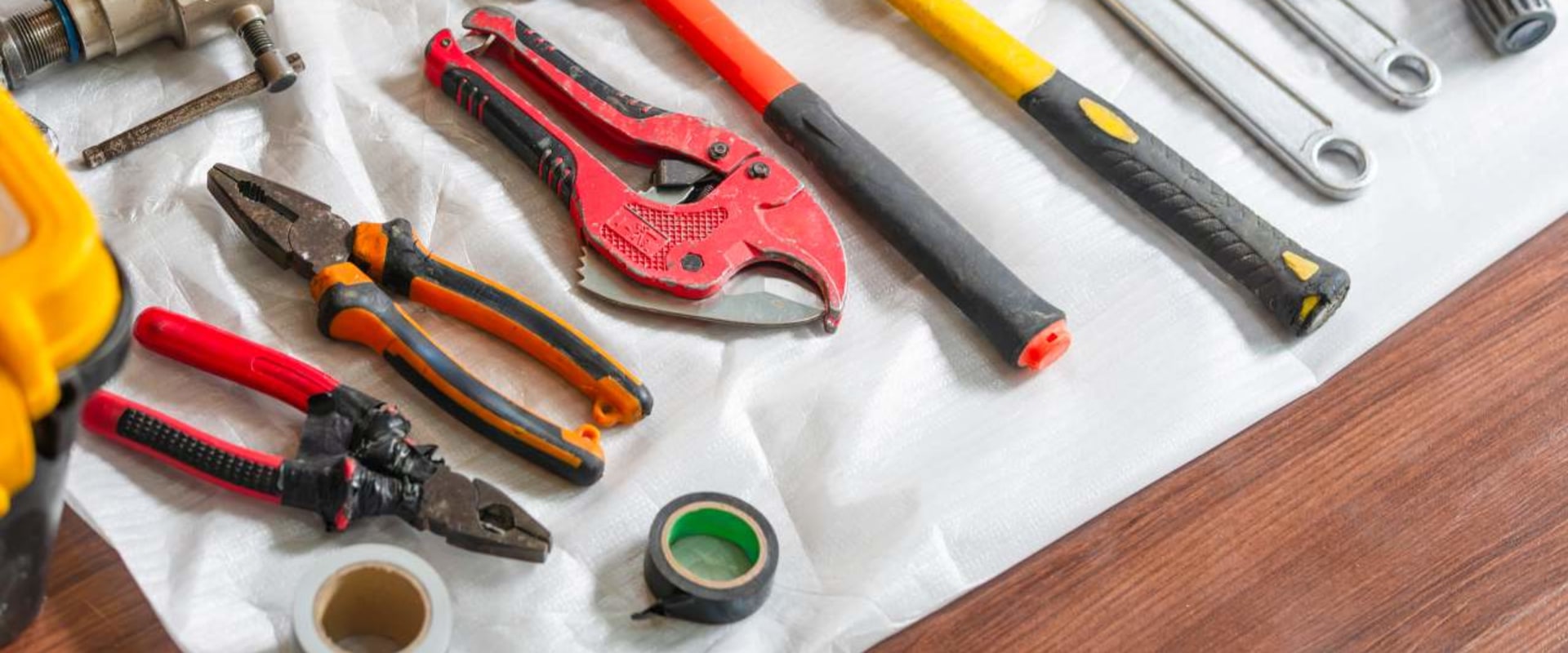
Having the right tools is crucial for effective plumbing repairs, whether you are a DIY enthusiast or a homeowner hiring professionals. Here are some essential plumbing tools that every homeowner should consider having on hand:Adjustable Wrench: This versatile tool is invaluable for loosening and tightening nuts and bolts of various sizes. Its adjustable jaw allows it to grip different sizes securely, making it perfect for plumbing tasks like connecting and disconnecting pipes.Plunger:
A must-have for any homeowner, the plunger is your first line of defense against clogs in sinks, tubs, and toilets.With its simple design, it creates suction that helps dislodge blockages, often resolving minor issues without needing professional help.
Pipe Cutter:
For those tackling pipe installation or replacement, a pipe cutter is essential. It ensures clean cuts on copper, PVC, and other types of pipes, which is critical for making precise connections and preventing leaks.Screwdriver Set:
A good set of screwdrivers, including both flathead and Phillips head, is necessary for various plumbing tasks. They help in securing fixtures and fittings as well as dismantling components that may need repair.Tape Measure:
Accurate measurements are vital in plumbing to ensure proper fitting of pipes and fixtures. A tape measure allows you to measure lengths and distances accurately before making any cuts or purchases.Pipe Wrench:
Ideal for gripping and turning pipes, a pipe wrench provides leverage that can make loosening stubborn fittings much easier.This tool is particularly useful when working with larger pipes or fittings.
Pliers:
A pair of slip-joint pliers can handle a variety of tasks, from gripping to bending wires. They come in handy for tasks that require a firm grip or when adjusting small components.Drain Snake:
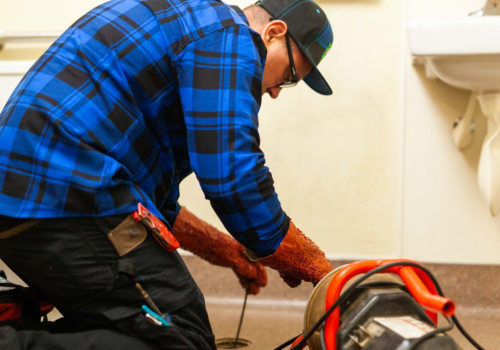
For more persistent clogs, a drain snake can be an effective solution. This tool allows you to reach deep into drains to break up blockages that a plunger cannot clear. Equipping yourself with these must-have plumbing tools can save time and money on repairs while also giving you the confidence to tackle minor plumbing issues in your home.Understanding Each Tool's Use
Having the right plumbing tools at your disposal is crucial for effectively addressing common issues that arise in any household. Here, we will explore the essential plumbing tools and explain how each can be used effectively in typical plumbing scenarios.1.Plunger
: A plunger is your first line of defense against clogged drains and toilets.To use a plunger effectively, create a tight seal over the drain or toilet opening. With firm, quick thrusts, push down and pull up to create suction, which helps dislodge the blockage.
2.Pipe Wrench
: This tool is essential for gripping and turning pipes and fittings. To use a pipe wrench, adjust the jaws to fit around the pipe securely. Turn the wrench counterclockwise to loosen and clockwise to tighten.It’s particularly useful when replacing or adjusting pipes.
3.Adjustable Wrench
: An adjustable wrench is versatile and can be used on various sizes of nuts and bolts. To use it, adjust the movable jaw so that it fits snugly around the fastener. Turn in the appropriate direction to tighten or loosen fittings, making it ideal for tasks like replacing faucets.4.Screwdriver Set
: A set of screwdrivers, both flathead and Phillips, is necessary for tightening or loosening screws in plumbing fixtures. Select the appropriate size screwdriver to fit the screw head to avoid stripping it.This tool is particularly useful when installing or repairing sinks and toilets.
5.Teflon Tape
: While not a tool in the traditional sense, Teflon tape is vital for ensuring leak-free connections in threaded plumbing joints. Wrap the tape around the threads of a pipe before screwing on a fitting; this helps create a seal that prevents leaks.6.Basin Wrench
: Specifically designed for tightening or loosening nuts in tight spaces, a basin wrench has a long handle and a jaw that grips various nut sizes. To use it, insert the wrench into the space beneath a sink and turn the handle to tighten or loosen the nut.7.Pipe Cutter
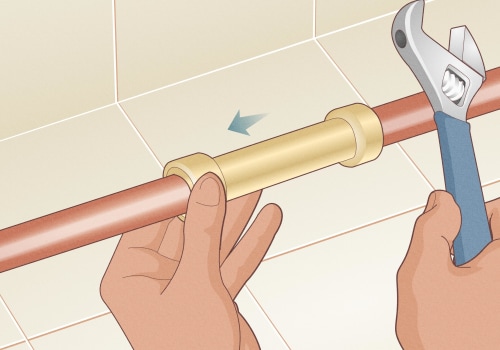
: When you need to cut pipes for replacements or repairs, a pipe cutter provides a clean and precise cut. Position the cutter around the pipe, tighten the knob until it grips, then rotate it around the pipe while gradually tightening until it cuts through. Understanding how to use these basic plumbing tools can empower homeowners to tackle minor issues themselves, potentially saving on costly service calls while also preparing them for situations where professional help may be necessary.Understanding Each Tool's Use
Having a well-stocked toolbox is crucial for any homeowner looking to tackle plumbing issues.Each tool serves a specific purpose and understanding how to use them effectively can make all the difference in a DIY repair. Here are some essential plumbing tools and their uses:Pipe Wrench: A pipe wrench is used to grip and turn pipes, making it an essential tool for tightening or loosening plumbing connections. When dealing with stubborn or corroded pipes, the adjustable jaws of the wrench provide the necessary leverage to get the job done.
Plunger
: The plunger is perhaps the most recognizable plumbing tool. It's used to clear clogs in sinks, toilets, and tubs by creating a vacuum that can dislodge blockages.To use it effectively, ensure there's enough water in the fixture to cover the rubber bell and apply firm, consistent pressure.
Adjustable Wrench
: This versatile tool is perfect for gripping and turning nuts and bolts of various sizes. Its adjustable jaw allows it to fit different fittings, making it ideal for tasks such as tightening faucet connections or removing old fixtures.PVC Pipe Cutter
: For homeowners working with PVC piping, a pipe cutter is invaluable. It provides a clean cut without damaging the pipe, ensuring a proper fit when joining pieces together. Simply align the cutter on the mark, squeeze the handles, and rotate until the pipe is cut.Tape Measure
: Accurate measurements are essential in plumbing.A tape measure helps ensure that pipes and fittings are cut to the correct lengths and that installations are level. Always double-check your measurements before making any cuts.
Plumbing Snake
: When plungers fail, a plumbing snake can help clear deeper clogs in drains. This flexible tool can reach into pipes and break up blockages that are out of reach. Insert the snake into the drain and turn the handle to navigate through curves until you feel resistance.Bucket
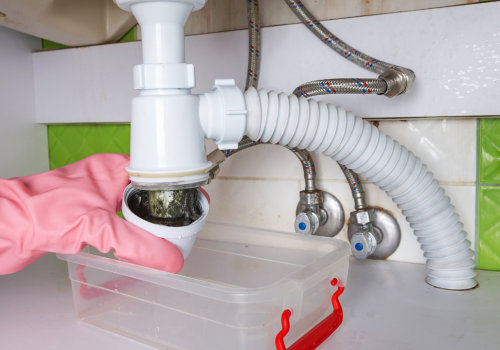
: While not a traditional plumbing tool, a bucket is essential for managing spills during repairs.Use it to catch water when disconnecting pipes or for catching debris when working on fixtures. By familiarizing yourself with these basic tools and their uses, you’ll be better equipped to handle minor plumbing issues around your home or to assist professionals when needed. Proper usage not only aids in effective repairs but also helps prevent further damage and costly repairs down the line.
Understanding Each Tool's Use
In plumbing, having the right tools can make all the difference when it comes to efficiency and effectiveness. Below, we’ll explore some basic plumbing tools every homeowner should have and explain how each is used in common plumbing scenarios.Pipe Wrench
: This is a fundamental tool for gripping and turning pipes. It is particularly effective for loosening or tightening threaded pipe fittings.When you encounter a stubborn pipe that needs adjusting or replacing, the pipe wrench becomes your best ally.
Plunger
: Often the first tool many homeowners reach for during a clog, the plunger creates a vacuum that helps dislodge blockages in sinks, toilets, and tubs. To use it effectively, ensure there is enough water in the basin to cover the plunger’s cup, then give it several firm thrusts.Adjustable Wrench
: This versatile tool is designed for nuts and bolts of various sizes. It’s particularly useful for tightening or loosening plumbing fittings and fixtures. Adjust the jaw size to fit the nut securely and turn counterclockwise to loosen or clockwise to tighten.Pipe Cutter
: For those DIY projects that require cutting pipes to size, a pipe cutter provides a clean and precise cut.Simply position the cutter around the pipe, tighten the knob until it grips firmly, and rotate it around the pipe until it slices through.
Tape Measure
: Accurate measurements are crucial in plumbing projects. Whether you’re installing a new fixture or measuring for replacement parts, a tape measure ensures that everything fits perfectly. Always double-check your measurements before making cuts or purchases.Plumbing Snake
: Also known as a drain auger, this tool is essential for clearing stubborn clogs that a plunger can’t tackle. Insert the snake into the drain until you feel resistance, then turn the handle to break up or retrieve the blockage.Screwdriver Set
: A reliable screwdriver set is necessary for removing and securing screws in various plumbing fixtures.Both flathead and Phillips screwdrivers will be needed for different types of screws you’ll encounter. Understanding how to effectively use these basic plumbing tools can empower homeowners to tackle minor issues independently or assist professionals during repairs, ultimately saving time and money in urgent situations. In conclusion, being prepared with essential plumbing tools is crucial for every homeowner. Whether you are tackling minor repairs yourself or simply want to be ready for unexpected issues, having the right tools at your disposal can make a significant difference. Investing in quality tools not only ensures their longevity but also helps you handle small plumbing tasks efficiently. However, it is equally important to recognize the value of professional plumbing services in Portland when faced with more complex problems. While DIY repairs can save time and money, some situations require the expertise of a licensed plumber.
By balancing your toolkit with professional support, you can maintain a well-functioning plumbing system in your home.