When it comes to home maintenance, few things are as daunting as plumbing repairs. Whether it’s a leaky faucet, a burst pipe, or a malfunctioning water heater, understanding the factors affecting repair costs can save you both time and money. For homeowners in Portland, navigating the intricacies of plumbing repair expenses can feel overwhelming, especially when considering how external factors like gas prices can impact overall costs. With varying rates and unpredictable issues, many find themselves asking: what truly influences these costs?In this article, we will delve into the key elements that contribute to plumbing repair costs in Portland. can save you both time and money. For homeowners in Portland, navigating the intricacies of plumbing repair expenses can feel overwhelming, especially when considering how external factors like gas prices can impact overall costs. With varying rates and unpredictable issues, many find themselves asking: what truly influences these costs?In this article, we will delve into the key elements that contribute to plumbing repair costs in Portland.
From labor rates to the complexity of the issue, we aim to provide you with a comprehensive overview that will equip you with the knowledge needed to make informed decisions. By grasping these factors, you can better anticipate potential expenses and avoid any unpleasant surprises when faced with plumbing problems. Join us as we explore the nuances of plumbing repair costs and uncover how various elements intertwine to create your final bill. Understanding these aspects not only empowers you as a homeowner but also enhances your relationship with plumbing professionals. So, let’s dive deep into the world of plumbing repairs and discover what truly drives those costs!Understanding the factors affecting repair costs is crucial for homeowners and business owners in Portland looking to navigate the often complex landscape of plumbing services.
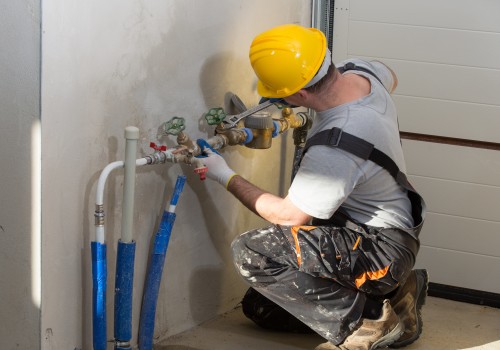
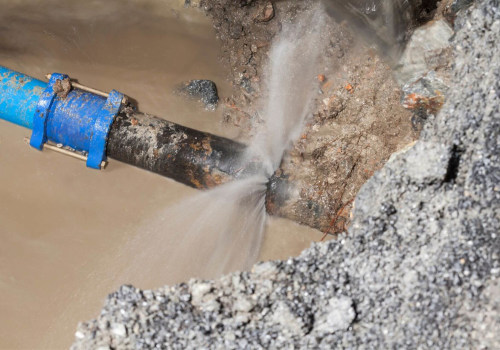
By grasping these elements, one can make informed decisions that lead to better service outcomes and potentially significant savings. Plumbing repair costs can vary widely based on several key components, each contributing uniquely to the overall price. One of the primary elements influencing plumbing repair costs is the type of service required. Emergency repairs generally come at a premium compared to routine maintenance. For instance, a homeowner might face a burst pipe late at night, necessitating immediate attention from a plumber.
This emergency response can lead to elevated costs due to the urgent nature of the service and the need for quick mobilization. Conversely, scheduling routine maintenance or non-urgent repairs, such as fixing a leaking faucet, typically incurs lower expenses since these jobs can be planned during regular working hours. The complexity of the job also plays a significant role in determining costs. Simple tasks, like unclogging a drain, may require minimal labor and time, leading to lower fees. In contrast, more intricate jobs, such as replacing an entire plumbing system or addressing extensive water damage, involve multiple steps and specialized skills, which will significantly increase the overall cost.
For example, if a homeowner needs to replace old galvanized pipes with new PVC ones, not only will the materials be more expensive, but the labor involved in such a complex task will also contribute to higher repair costs. Another critical factor is the materials used. The type and quality of materials selected for plumbing repairs can greatly impact pricing. High-grade materials often come with a higher upfront cost but can lead to greater durability and fewer future repairs. For instance, using premium piping materials might cost more initially than using standard options; however, they could provide long-term savings by reducing the likelihood of future leaks or failures. The labor rates in the Portland area are yet another essential consideration.
Labor costs can fluctuate based on local market conditions, demand for services, and the expertise of the plumber. Generally speaking, hiring licensed plumbers with extensive experience may incur higher rates compared to less experienced workers. However, it is often wise to prioritize quality workmanship over lower costs when considering plumbing repairs. The adage "you get what you pay for" rings particularly true in this industry, where poor-quality work can lead to more significant issues down the line. Additionally, homeowners should be aware of any Labor costs can fluctuate based on local market conditions, demand for services, and the expertise of the plumber. Generally speaking, hiring licensed plumbers with extensive experience may incur higher rates compared to less experienced workers. However, it is often wise to prioritize quality workmanship over lower costs when considering plumbing repairs. The adage "you get what you pay for" rings particularly true in this industry, where poor-quality work can lead to more significant issues down the line. Additionally, homeowners should be aware of any additional fees that may apply when seeking plumbing services.
These could include charges for travel time, disposal of old materials, or even fees for after-hours service calls. Understanding these potential extras can help homeowners budget more accurately and avoid surprises when it comes time to pay the bill. Another vital consideration is the urgency of the service needed. If a plumbing issue poses a risk to health or property—such as sewage backups or severe leaks—immediate action is necessary. This urgency often results in higher costs due to expedited services and prioritization by plumbing professionals.
On the other hand, less critical issues can often wait for scheduled appointments without significantly impacting daily life. Specific plumbing issues may also necessitate specialized skills, which can affect repair costs. For example, dealing with gas lines or intricate sewer systems requires licensed specialists who command higher fees than general plumbers. Understanding whether your plumbing issue falls into this category can help clarify expected expenses. It is essential to acknowledge that there may be differing opinions on pricing within the plumbing industry. Some homeowners may prioritize finding the lowest price available; however, it is crucial to emphasize that opting for quality workmanship often yields better long-term value.
A cheaper service might save money upfront but could lead to recurring problems if not done correctly. Therefore, when evaluating plumbing repair costs, consider not only the price but also the reputation and reliability of the service provider. In conclusion, being educated about the various factors affecting repair costs allows homeowners and business owners in Portland to make informed decisions when seeking plumbing services. By understanding how service type, job complexity, material choice, labor rates, additional fees, urgency of service needs, and specialized skills contribute to overall pricing, individuals can take proactive steps toward managing their plumbing repair expenses effectively.
Material Costs and Availability
Material costs are a crucial factor in determining the overall expenses associated with plumbing repairs. The choice of materials can significantly impact repair costs, as different materials come with varying price points and durability levels.For instance, opting for high-quality materials such as copper pipes can be more expensive upfront compared to plastic alternatives like PVC. However, investing in durable materials may lead to fewer repairs and replacements in the long run, ultimately saving homeowners money. Additionally, availability of these materials can affect costs. In Portland, some materials may be more readily available than others due to local suppliers and market demand. If a specific material is in short supply, prices may increase, leading to higher overall repair costs.
Homeowners should consider both the initial cost and the long-term value of materials when making decisions about plumbing repairs. Furthermore, seasonal factors and economic conditions can also influence the pricing and availability of plumbing materials. For example, during periods of high demand, such as after natural disasters or significant weather events, the cost of materials may surge, impacting repair expenses. Understanding these dynamics can empower homeowners to make informed choices about their plumbing needs.
Emergency vs. Routine Plumbing Services
Emergency plumbing services are typically required when an unexpected issue arises, such as a burst pipe or severe leak, which can cause significant damage to a property if not addressed immediately.These urgent situations often necessitate immediate attention, leading to higher costs associated with the service. Plumbing professionals may charge a premium for their availability during off-hours or weekends, reflecting the urgency and potential for property damage. On the other hand, routine plumbing services involve scheduled maintenance or minor repairs that can be planned and executed at a convenient time. These services generally have lower associated costs because they allow plumbers to manage their schedules more effectively, reducing the need for emergency response and allowing them to plan their workload. Routine checks can include inspections, regular maintenance tasks, and non-urgent repairs, all of which can help prevent future emergencies and save homeowners money in the long run. Understanding the difference between emergency and routine plumbing services is crucial for homeowners and business owners in Portland.
By being proactive and addressing plumbing issues before they escalate, individuals can avoid the high costs associated with emergency interventions. This knowledge empowers property owners to make informed decisions about when to seek help, ultimately leading to better management of repair expenses.
Importance of Licensed and Insured Plumbers
When it comes to plumbing repairs, one of the most significant factors affecting repair costs is whether you hire a licensed and insured plumber. While it may seem tempting to opt for a cheaper, unlicensed service provider, this decision can lead to more expenses in the long run. Licensed plumbers have undergone rigorous training and have the necessary certifications to perform plumbing work safely and effectively. By hiring a licensed professional, homeowners and business owners in Portland can ensure that the job is done right the first time.This quality of work can prevent recurring issues that may arise from improper repairs, ultimately saving money on future repairs and maintenance. Additionally, licensed plumbers are often insured, which provides an extra layer of protection for both the homeowner and the plumber in case of accidents or damages during the repair process. In contrast, hiring an unlicensed plumber may lead to subpar work, which could result in costly mistakes that require further repairs. These errors not only increase the overall cost of plumbing services but can also lead to extensive damage to your property. Thus, while the upfront costs of hiring a licensed and insured plumber may be higher, the long-term benefits and savings make it a wise investment.
Complexity of Plumbing Issues
When it comes to plumbing repairs, the complexity of plumbing issues plays a significant role in determining the overall cost.Simple repairs, such as fixing a leaky faucet or unclogging a drain, may require minimal time and effort, leading to lower service charges. However, more intricate problems, such as pipe replacements, sewer line repairs, or extensive system overhauls, necessitate specialized skills and equipment. These complexities can significantly increase labor costs as well as the time required to complete the job. For instance, a blockage in the main sewer line is not only challenging to diagnose but may also require advanced tools like video inspection cameras to accurately identify the source of the issue. The need for such specialized equipment contributes to higher repair costs.
Additionally, experienced plumbers who can handle these complex tasks often charge premium rates due to their expertise and training. Furthermore, the location and accessibility of the plumbing problem can complicate matters. Issues that are hidden behind walls or under floors may demand more labor-intensive efforts to reach and repair them, further escalating costs. Homeowners and business owners should be aware that when faced with complex plumbing issues, they may need to budget for higher expenses due to these factors. Understanding the intricacies involved in plumbing repairs can empower clients to make more informed decisions when seeking service providers. By recognizing the potential challenges associated with complex plumbing problems, individuals in Portland can better prepare themselves for the financial implications of necessary repairs.
Labor Rates in Portland
Labor rates are a significant component of plumbing repair costs in Portland.Homeowners and business owners should be aware that these rates can fluctuate based on several factors, including the plumber's experience, certifications, and the complexity of the job. On average, the hourly rate for plumbers in Portland ranges from $70 to $120. Less experienced plumbers or those just starting their careers may charge on the lower end of this spectrum, while highly skilled and certified professionals can command higher rates. Additionally, plumbers with specialized certifications, such as those in gas line installation or advanced drain cleaning, may also charge more due to their expertise. The experience level of a plumber significantly impacts labor costs. For instance, a seasoned plumber with years of experience is likely to work more efficiently, potentially saving homeowners money in the long run.
However, if immediate repairs are needed, hiring a less experienced plumber might seem like a cost-effective choice, though it could lead to higher costs if the work is subpar and requires redoing. Furthermore, labor rates may vary depending on the type of plumbing service required. Emergency services or after-hours calls typically incur additional fees, which can elevate overall repair costs. It's crucial for individuals seeking plumbing services to understand these variations in labor rates to make informed decisions. In summary, when evaluating plumbing repair costs in Portland, considering the labor rates and the qualifications of the plumbers is essential. This knowledge not only helps in budgeting but also ensures that you receive quality service tailored to your specific needs.
Additional Fees and Charges
When considering plumbing repair costs, it's essential to be aware of additional fees and charges that may not be immediately apparent.These hidden costs can significantly impact the overall expense of your plumbing services, making it crucial for homeowners and business owners to understand them. One common hidden cost is the travel fee. Many plumbing companies charge for the time and distance traveled to reach your location. This fee can vary based on how far away the plumber is from your property, so it's a good idea to inquire about any potential travel charges upfront. Another potential expense is the emergency surcharge. If you require urgent repairs outside of regular business hours, you might face higher rates due to the immediate nature of the service.
Emergency plumbing services are often priced at a premium, so understanding this aspect can help you budget accordingly. Additionally, if you need plumbing assistance during after-hours service, be prepared for extra charges. Many companies impose a surcharge for work done during evenings, weekends, or holidays. It's wise to check with your plumbing service provider about their policy on after-hours rates to avoid unexpected surprises on your bill. In conclusion, by being informed about these potential hidden costs, you can make better financial decisions regarding your plumbing repairs. Always ask for a detailed estimate that includes all possible fees to ensure you have a clear understanding of the total cost before services begin. In conclusion, it is essential to recognize the key factors affecting plumbing repair costs to ensure you make well-informed decisions.
The distinction between emergency vs. routine plumbing services, the complexity of plumbing issues, material costs and availability, local labor rates in Portland, and potential additional fees and charges all play a significant role in determining overall expenses. Furthermore, hiring a licensed and insured plumber can provide peace of mind and potentially save you money in the long run. By being aware of these aspects, homeowners and business owners can better manage their budgets and select the most suitable service provider for their particular needs. This knowledge not only aids in financial planning but also enhances the likelihood of receiving high-quality plumbing services.