When it comes to home maintenance in Weston FL, few issues can be as urgent and alarming as a plumbing leak. Whether it’s a dripping faucet or a more severe pipe burst, leaks can lead to significant water damage and costly repairs if not addressed promptly. But what do you do when you can't immediately call a plumber? In such cases, knowing some When it comes to home maintenance in Weston FL, few issues can be as urgent and alarming as a plumbing leak. Whether it’s a dripping faucet or a more severe pipe burst, leaks can lead to significant water damage and costly repairs if not addressed promptly. But what do you do when you can't immediately call a plumber? In such cases, knowing some effective temporary fixes for plumbing leaks can save you time, money, and stress. In this article, we will guide you through various quick solutions that can help you manage leaks until professional assistance arrives. From using common household items to employing simple techniques, these temporary fixes are designed to provide immediate relief while minimizing damage to your home.
By being proactive and informed, you can take control of the situation and prevent further complications. So, if you’re faced with an unexpected plumbing emergency and need to act fast, read on to discover practical tips and tricks that will empower you to tackle those pesky leaks head-on. Don’t let a plumbing disaster dampen your spirits – let’s explore how you can effectively handle leaks in your home!When faced with plumbing leaks, the urgency to address these issues cannot be overstated. Leaks can lead to significant damage, including structural issues, mold growth, and increased water bills. While waiting for a professional plumber, implementing temporary fixes for leaks can help mitigate immediate problems and prevent further damage. One of the most accessible and versatile solutions is duct tape.
This strong adhesive tape can be wrapped tightly around the leak or damaged area of a pipe. To use it effectively, ensure the surface is dry and clean before application. Duct tape works well for small cracks or pinhole leaks in pipes, particularly in situations where the leak is not under high pressure. However, it’s important to note that duct tape is not a permanent solution; it can deteriorate over time, especially when exposed to water and heat. Another common temporary fix involves using rubber patches.
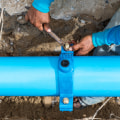
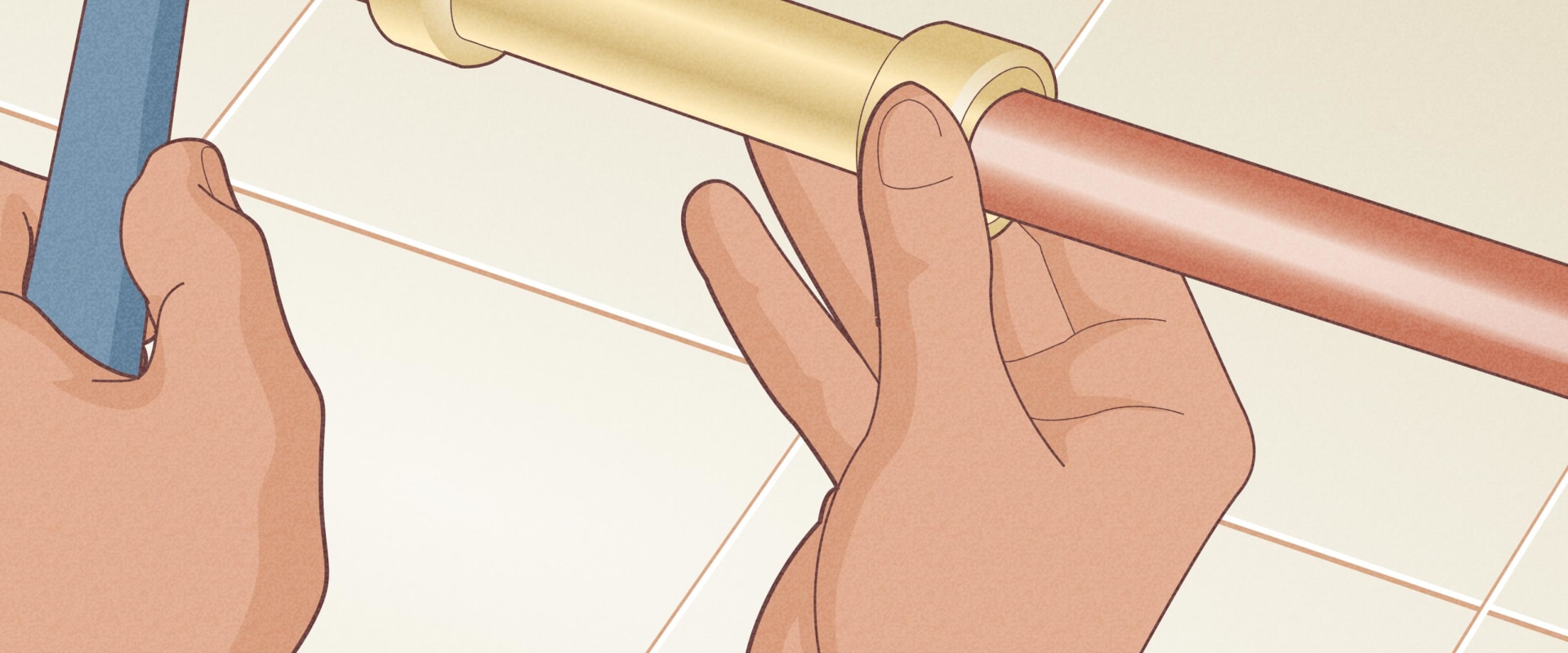
For this method, you’ll need a piece of rubber (like an old inner tube or a rubber gasket) and some strong adhesive or hose clamps. Place the rubber patch over the leak, securing it tightly with the adhesive or clamps. This method is particularly effective for larger cracks or breaks in pipes, especially those found in basements or outdoor settings where the temperature may affect other materials. However, rubber patches require a bit more effort and might not hold up under extreme conditions. Plumber's tape, also known as Teflon tape, is another useful tool for temporary repairs.
This tape is ideal for sealing threaded joints on faucets or pipes that are leaking due to loose connections. To use plumber's tape, simply wrap it around the threads of the pipe before reassembling it. This solution is quick and effective but should only be applied to joints that can be easily accessed without disassembling large parts of your plumbing system. Common sources of leaks include pipe joints, faucets, and toilets. Leaks at pipe joints often occur due to wear and tear or poor installation.
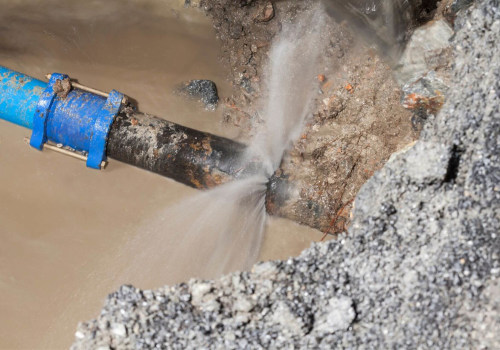
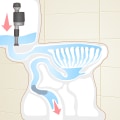
Faucets may leak from worn-out washers or O-rings, while toilets can develop leaks from faulty flappers or connections between the tank and bowl. Understanding where these leaks originate can help you apply the right temporary fix quickly. Before attempting any temporary fix, it's crucial to assess the severity of the leak. If water is gushing out rapidly, it may indicate a more serious issue that requires immediate attention. In such cases, turning off the main water supply should be your first step to prevent extensive damage.
Always prioritize safety; if you feel uncomfortable making repairs yourself or if there’s a risk of electrical hazards due to water exposure, wait for professional help. There are many scenarios where quick action is essential. For instance, during a plumbing emergency such as a burst pipe in winter when temperatures drop below freezing, even a small delay can lead to serious consequences like frozen pipes or flooding. Homeowners often share stories of how they managed to control a situation temporarily while waiting for an emergency plumber. One homeowner recounted using duct tape on a leaky pipe joint, which held long enough for the plumber to arrive and make permanent repairs without further damage occurring. While these temporary fixes for leaks can be effective solutions in the short term, they should never replace professional repairs.
Relying on them for too long can lead to worsened damage and more costly repairs down the line. Always prioritize calling a professional plumber as soon as possible to ensure that your plumbing system is restored to proper working order.
When to Call a Professional Plumber
While temporary fixes for leaks can provide immediate relief, there are specific scenarios where the expertise of a professional plumber is essential. Recognizing these situations can prevent further damage and ensure that your plumbing system functions correctly. Firstly, if the leak persists despite applying a temporary fix, it is crucial to seek professional help. This could indicate a more serious underlying issue that requires specialized tools and knowledge to diagnose and repair. Additionally, if you notice significant water damage, such as mold growth or structural issues in your home, do not hesitate to call a plumber.These signs suggest that the leak has been present for a while and may have caused extensive damage that could lead to health risks and costly repairs. Moreover, if you find yourself dealing with multiple leaks or plumbing issues simultaneously, it's best to consult a professional. Attempting to manage multiple problems can be overwhelming and may result in missed issues that could worsen over time. Lastly, if you are unsure about the source of the leak or how to properly implement a temporary fix, reaching out to a professional plumber is the safest option. They can accurately identify the problem and provide effective solutions tailored to your needs.
Maintaining Your Plumbing System
To avoid the inconvenience and potential damage caused by leaks, regular maintenance of your plumbing system is essential.Regular inspections
can help you identify and address minor issues before they escalate into major problems.Schedule routine checks of your pipes, faucets, and appliances to ensure they are functioning properly. Additionally, insulating your pipes can prevent them from freezing and bursting during colder months. Use foam pipe insulation sleeves or heat tape in vulnerable areas such as basements or unheated spaces. Pay attention to your water pressure; excessive pressure can strain your plumbing system and lead to leaks. Consider installing a pressure regulator if you notice consistently high water pressure readings. Keep an eye on your water bill. A sudden increase could indicate a hidden leak somewhere in your plumbing system.
If you suspect a leak, investigate promptly to prevent further damage. Lastly, educate yourself on how to properly dispose of waste. Avoid flushing items like paper towels, feminine hygiene products, or cooking grease down your drains, as these can cause clogs and lead to leaks.
Common Causes of Plumbing Leaks
Understanding the common causes of plumbing leaks is essential for homeowners to take immediate action when faced with a leak. These leaks can lead to significant water damage and costly repairs if not addressed promptly. One of the most frequent sources of leaks is old pipes. Over time, pipes can corrode, weaken, or develop cracks due to age and wear.Homes with aging plumbing systems are particularly susceptible to these issues, making regular inspections vital. Another common cause of leaks is loose fittings. Connections between pipes and fixtures can become loose over time due to vibrations, temperature fluctuations, or improper installation. When fittings are not secure, they can allow water to escape, resulting in noticeable leaks. Additionally, worn-out seals can also lead to leaks. Seals are designed to create a tight barrier between joints and connections.
Over time, these seals can degrade or become brittle, which compromises their effectiveness and leads to water seepage. By identifying these common causes of plumbing leaks, homeowners can be better prepared to implement temporary fixes and seek professional help when necessary.
Quick Temporary Fixes You Can Implement
If you find yourself dealing with a plumbing leak, it’s crucial to act quickly to prevent further damage. Below are several effective temporary fixes that you can implement until professional help arrives.Duct Tape
: One of the simplest and most accessible solutions is duct tape. Start by drying the area around the leak thoroughly. Then, take a piece of duct tape and wrap it tightly around the leaking pipe, ensuring that it covers the leak completely.This will create a temporary seal that can hold until a plumber can make permanent repairs.
Rubber Patches
: For larger leaks or cracks, a rubber patch can be a good solution. You will need a piece of rubber (like an old hose or rubber sheet) and some hose clamps or duct tape. Cut the rubber to a size that covers the leak with some overlap. Place the rubber patch over the leak and secure it in place with hose clamps or tightly wrap it with duct tape.This method helps to contain the leak until you can get professional assistance.
Plumber's Putty
: If you have plumber's putty on hand, it can be used for small leaks. First, clean and dry the area around the leak. Take a small amount of plumber's putty and roll it into a rope shape. Press this putty into the crack or hole in the pipe, ensuring it fills the gap completely.Smooth it out with your fingers for a tighter seal. This temporary fix will help minimize water loss until a permanent solution is applied. Remember, these fixes are only temporary measures. It is essential to contact a licensed plumber as soon as possible to address any plumbing issues effectively.
Addressing leaks promptly
is crucial to preventing more extensive damage to your home. Remember that while temporary fixes can provide immediate relief during emergencies, they are not substitutes for professional help.Always seek licensed plumbers in Portland for long-term solutions to ensure your plumbing system remains in optimal condition. Additionally, we encourage you to regularly inspect your plumbing system. Catching issues early can save you time, money, and stress in the future. By being proactive, you can maintain a healthy plumbing system and avoid the need for urgent repairs.