When embarking on a plumbing installation project in Portland, understanding the regulatory landscape is crucial.
When permits are required for installations
can often be a confusing aspect for homeowners and contractors alike. The rules governing plumbing work vary significantly, and neglecting to secure the necessary permits can lead to costly fines and complications down the line. This article aims to illuminate the circumstances under which permits are necessary for plumbing installations in Portland, providing you with the knowledge you need to navigate this essential aspect of home improvement. Whether you're a seasoned plumber or a homeowner planning a DIY project, knowing when to pull a permit can save you time, money, and stress. Join us as we delve into the specific regulations that dictate when permits are required, ensuring that your plumbing project complies with local laws and maintains the safety and integrity of your home.Understanding these requirements not only protects your investment but also contributes to the overall health of your community's infrastructure. Understanding when permits are required for plumbing installations is crucial for homeowners and contractors alike. In Portland, like in many other cities, certain plumbing work mandates obtaining a permit to ensure that installations adhere to local codes and regulations. This process not only ensures compliance but also enhances safety and reduces the risk of costly mistakes. There are several scenarios where permits are typically required. For instance, any new installations of plumbing systems will usually necessitate a permit.
This includes adding new bathrooms, kitchens, or laundry areas, where extensive work will be done to connect to existing water and drainage systems. Additionally, major repairs that involve significant alterations to the plumbing infrastructure, such as replacing old pipes or fixing leaks in main lines, also typically require permits. Modifications to existing systems can lead to complicated situations if not handled correctly. For instance, if you are planning to re-route existing plumbing lines or add new fixtures like sinks or toilets, a permit will generally be necessary. Specific types of work that usually require a permit include installing water heaters, conducting re-piping projects, and adding any new plumbing fixtures.The consequences of not obtaining the necessary permits can be severe.
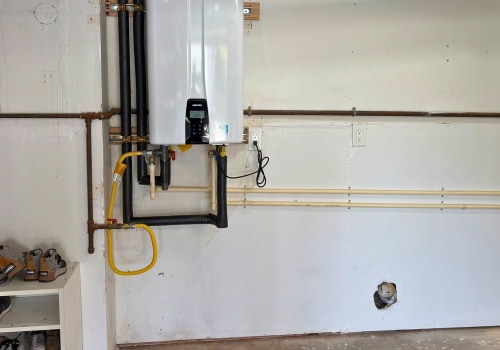
Homeowners may face fines from local authorities, which can add unexpected costs to what may have already been an expensive project. More critically, bypassing this process can result in safety hazards. Improperly installed plumbing systems can lead to water damage, mold growth, or even dangerous gas leaks in the case of water heater installations. In both residential and commercial settings, there are typical projects that require permits. For example, in a residential setting, a homeowner replacing an old water heater with a new model must secure a permit to ensure the installation meets safety and efficiency standards.
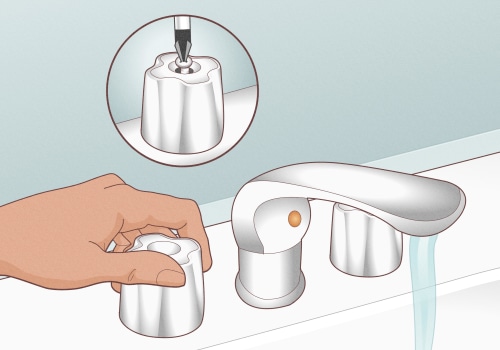
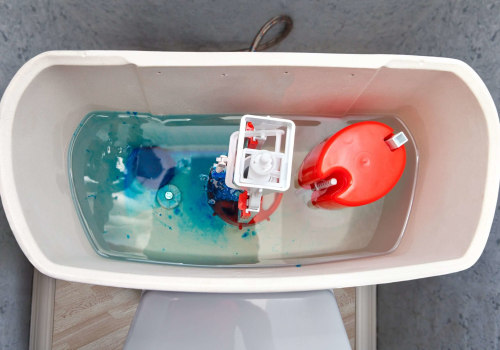
In commercial settings, larger-scale projects like installing multiple restrooms or upgrading plumbing systems in a restaurant will definitely require thorough permitting processes. There are common questions and misconceptions regarding the permit process that often confuse homeowners. One such misconception is that all plumbing work requires a permit; however, minor repairs like fixing a leaky faucet or replacing a toilet generally do not require one. To easily navigate the permitting process, homeowners should familiarize themselves with the local regulations specific to Portland. When applying for a permit, it is essential to gather all necessary documentation beforehand. This typically includes detailed project plans, specifications of materials to be used, and sometimes proof of contractor licenses if hiring a professional.
Homeowners can apply for permits through the city’s building department, either online or in person. The role of licensed plumbers in this process cannot be overstated. A licensed plumber not only understands the local codes but can also guide homeowners through each step of obtaining the necessary permits. They can help prepare the required documentation and even submit applications on behalf of the homeowner, making compliance easier and more efficient. In conclusion, understanding when permits are required for plumbing installations in Portland is essential for ensuring safety and compliance with local regulations. By familiarizing yourself with the types of projects that necessitate permits and working with licensed professionals, you can navigate this process smoothly while avoiding potential pitfalls.
Consequences of Skipping Permits
When it comes to plumbing installations, skipping permits can lead to serious legal and safety issues.First and foremost, not obtaining the necessary permits can result in hefty fines and penalties from local authorities. These fines can accumulate quickly, leading to unexpected financial burdens for homeowners or contractors. Furthermore, without the proper permits, plumbing work may not adhere to local building codes and regulations. This can result in unsafe installations that jeopardize the health and safety of residents. For instance, improper drainage or inadequate venting can lead to serious plumbing failures, which may cause property damage or pose health risks due to contaminated water. In addition, if any issues arise after a plumbing installation that lacked permits, homeowners might find themselves in a difficult position when it comes time for repairs.
Insurance companies may deny claims related to unpermitted work, leaving the homeowner responsible for all costs associated with fixing any damage or addressing safety hazards. Lastly, selling a home with unpermitted plumbing installations can create significant challenges. Potential buyers may be deterred by the prospect of dealing with unresolved permit issues or may request costly repairs before finalizing a sale. In essence, the consequences of skipping permits extend far beyond immediate financial implications; they can affect property value and future transactions.
How Licensed Plumbers Can Help with Permits
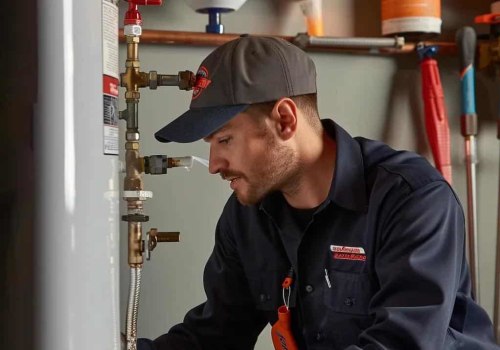
When it comes to plumbing installations, navigating the complex world of permits can be daunting. This is where licensed plumbers come into play.Hiring a licensed plumber ensures that you are working with a professional who not only has the necessary skills but also a deep understanding of local regulations. One of the primary advantages of hiring a licensed plumber is their expertise in the permit process. They are familiar with the specific requirements for various plumbing services in Portland, which can vary depending on the type of installation and local codes. This knowledge allows them to accurately identify when permits are required, saving you from potential fines or project delays. Additionally, licensed plumbers often have established relationships with local building departments. This can facilitate a smoother permit application process, as they know whom to contact and what documentation is necessary.
As a result, they can expedite approvals and help you avoid common pitfalls that might arise when handling permits on your own. Moreover, by hiring a licensed plumber, you are ensuring that your installation complies with all safety standards and regulations. This not only protects your investment but also enhances the overall safety of your home. In the event of any issues during an inspection, a licensed plumber can address them promptly, ensuring that your project remains on track. In conclusion, the benefits of hiring a licensed plumber extend beyond just completing an installation. Their knowledge of local regulations and ability to manage the permit process can save you time, money, and stress, allowing you to focus on enjoying your newly installed plumbing system.
The Permit Application Process in Portland
Applying for a permit for plumbing installations in Portland is a crucial step to ensure compliance with local regulations.The process may seem daunting, but understanding the requirements can simplify it significantly. To begin the permit application process, you will need to gather essential documentation. This typically includes:
- Detailed project plans: These should outline the scope of work and include diagrams or schematics where applicable.
- Proof of contractor licensing: If you are not a licensed plumber, ensure that your contractor has the appropriate credentials.
- Site plans: These should indicate the location of the installation and any relevant site details.
- Proof of property ownership or authorization: If you are not the property owner, you may need written permission from the owner.
This step may take some time, so be sure to apply well in advance of your planned installation date. If approved, you will receive your plumbing permit, allowing you to proceed with the installation while ensuring that all safety and regulatory standards are met.
Types of Plumbing Projects That Require Permits
When it comes to plumbing installations, not all projects are created equal. Understanding which types of plumbing work require permits is crucial for homeowners and contractors alike. Obtaining the necessary permits helps ensure that the work is performed safely, meets local building codes, and is inspected properly. Below are some specific plumbing projects that typically require permits in Portland.1.Installing New Plumbing Systems:
If you are installing a completely new plumbing system in a home or building, a permit is usually required.This includes the installation of pipes, drains, and fixtures that have not previously existed. New systems must adhere to local codes to ensure proper function and safety.
2.Replacing Water Heaters:
When replacing an old water heater with a new one, especially if the unit is gas-powered, a permit is generally necessary. This requirement is in place to ensure that the installation complies with safety standards and regulations regarding venting and gas lines.3.Adding Bathrooms:
Constructing an additional bathroom or adding plumbing fixtures to an existing bathroom will almost always require a permit. This includes installing toilets, sinks, showers, and bathtubs.Ensuring proper drainage and water supply is critical for these installations, making permits essential.
4.Major Repairs or Alterations:
Any significant repairs or alterations to existing plumbing systems may also necessitate a permit. This includes activities such as relocating pipes or modifying existing plumbing layouts. It’s important to check with local regulations before beginning any major work. Understanding these requirements can save homeowners from potential fines or the need to redo work that was not permitted. Always consult with local authorities or a licensed plumber to confirm which projects necessitate permits in your area.Understanding when permits are required for plumbing installations
is crucial for both the safety and legality of your projects.By familiarizing yourself with local regulations, you can avoid potential fines and ensure that your plumbing work meets necessary standards. Consulting with licensed professionals not only simplifies the permit application process, but also provides you with expert guidance tailored to your specific needs. Remember, investing time in obtaining the right permits is an investment in the longevity and success of your plumbing installations.