When it comes to home renovations or upgrades, kitchen plumbing installation is often an overlooked aspect that plays a crucial role in the overall functionality and efficiency of your culinary space. For Portland residents, understanding the nuances of this process is essential, especially given the city's unique plumbing requirements and regulations. Whether you are embarking on a complete kitchen remodel or simply replacing outdated fixtures, having a solid grasp of what to expect can save you time, money, and headaches down the line. This article will delve into the essential insights surrounding kitchen plumbing installation, providing you with valuable information that will empower you as a homeowner. From selecting the right materials to ensuring compliance with local codes, each element of the installation process contributes to creating a kitchen that not only looks great but also functions seamlessly.
So, if you're ready to transform your kitchen and improve your home's efficiency, keep reading to discover all the key factors that can make your kitchen plumbing installation a success. Proper kitchen plumbing installation is crucial for ensuring a functional and efficient kitchen. It plays a significant role in daily life, affecting everything from cooking and cleaning to the overall comfort of the home. For residents of Portland, having reliable plumbing is essential, as local regulations require adherence to specific standards. Many Portland residents seek professional assistance for their kitchen plumbing installation, repairs, and emergencies, emphasizing the importance of hiring licensed professionals to ensure quality work and compliance with local codes. The installation process begins with understanding the necessary components of kitchen plumbing.
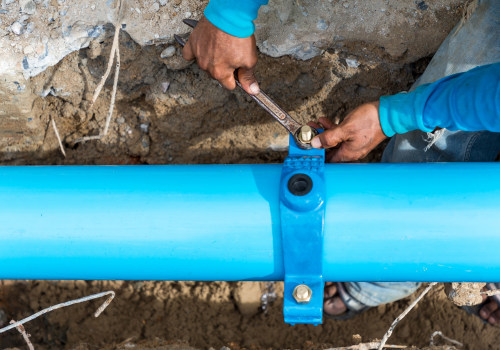
Key elements include sinks, faucets, pipes, and drainage systems. Each component must be carefully selected and installed to facilitate proper water flow and prevent issues down the line. Planning is a critical first step; homeowners should assess their kitchen layout, determine the placement of fixtures, and consider any potential obstacles such as electrical wiring or structural supports. When it comes to materials, the choices can vary based on budget and preferences. Common materials used in kitchen plumbing installations include PVC pipes for drainage, copper or PEX for supply lines, and stainless steel for faucets and sinks.
It’s essential to select high-quality materials that can withstand daily use and maintain their integrity over time. The installation process typically follows several steps. First, homeowners should turn off the water supply to prevent any leaks. Next, existing fixtures may need to be removed if they are being replaced. Once the old plumbing is out, new pipes should be measured and cut to fit properly.
Connecting the sinks and faucets involves securing them in place before attaching the plumbing lines. Finally, it’s crucial to check for leaks by turning the water supply back on gradually and monitoring all connections. However, challenges can arise during kitchen plumbing installation. Common issues include misaligned pipes, inadequate drainage slope, or complications from older homes that may have outdated plumbing systems. Homeowners might also encounter unexpected plumbing codes that require adjustments or additional permits.
Therefore, having a licensed plumber who is familiar with Portland’s regulations can save time and reduce stress. Even with careful installation, typical kitchen plumbing problems can still occur. Issues like leaks under the sink, clogged drains, or malfunctioning faucets are common and often require professional attention. For example, a leaky faucet not only wastes water but can also lead to mold growth if left unaddressed. Similarly, clogged drains can result in unpleasant odors and slow drainage, disrupting daily activities. Regular maintenance is vital in preventing costly repairs down the line.
Simple practices such as checking for leaks periodically, cleaning drains to avoid clogs, and ensuring fixtures are functioning correctly can extend the lifespan of kitchen plumbing systems. Scheduling annual inspections with a qualified plumber can help identify potential issues before they escalate into major problems. For residents in Portland looking for affordable yet licensed plumbers, it is advisable to seek out professionals who specialize in both residential and commercial projects. By comparing quotes from different service providers and checking their credentials, homeowners can find reliable help for their Simple practices such as checking for leaks periodically, cleaning drains to avoid clogs, and ensuring fixtures are functioning correctly can extend the lifespan of kitchen plumbing systems. Scheduling annual inspections with a qualified plumber can help identify potential issues before they escalate into major problems. For residents in Portland looking for affordable yet licensed plumbers, it is advisable to seek out professionals who specialize in both residential and commercial projects. By comparing quotes from different service providers and checking their credentials, homeowners can find reliable help for their kitchen plumbing installations. Investing in quality installation and maintenance will not only enhance the functionality of the kitchen but also provide peace of mind that everything is operating smoothly.
Common Kitchen Plumbing Issues
Kitchens are the heart of the home, and proper plumbing is essential for ensuring that this vital space functions smoothly.However, even with the best installations, homeowners in Portland often face common kitchen plumbing issues that can disrupt daily life. Understanding these problems and knowing when to call a plumber can save time, money, and stress. One frequent issue is leaky faucets. Not only can they waste water, leading to higher bills, but they can also cause damage to your sink and countertops over time. If you notice a persistent drip, it's advisable to call a plumber to prevent further complications. Another common problem is clogged drains.
Kitchen sinks are susceptible to clogs from food debris, grease, and other materials. If you find that your sink is draining slowly or has completely backed up, it may be time to enlist the help of a plumbing professional who can effectively clear the blockage.
Running toilets
may not seem like a kitchen issue at first glance, but if your kitchen shares plumbing with a nearby bathroom, you may experience problems here as well. A running toilet can waste significant amounts of water and may require professional intervention to fix the flush mechanism. Lastly, issues with water supply lines can lead to major inconveniences and potential water damage. If you notice a sudden drop in water pressure or discolored water coming from your taps, it could indicate a problem with the supply lines.In such cases, contacting a licensed plumber is essential to diagnose and remedy the situation safely. By being aware of these common kitchen plumbing issues, Portland residents can take proactive steps to maintain their plumbing systems and know when it’s time to call in the experts.
Understanding Kitchen Plumbing Components
When it comes to kitchen plumbing installation, understanding the essential components is crucial for both functionality and efficiency. Every kitchen relies on a variety of plumbing elements working together seamlessly to ensure water flows properly and waste is removed effectively. One of the most critical components is the sinks. Kitchen sinks come in various styles and materials, but they all serve the same fundamental purpose: to provide a space for washing dishes, preparing food, and cleaning up. A well-installed sink is vital for maintaining hygiene and convenience in the kitchen. Next, we have faucets, which are not just mere fixtures but essential tools that affect the overall user experience.Modern faucets come with various features, including pull-down sprayers and touchless technology, making them an important aspect of kitchen plumbing installations. Choosing the right faucet can enhance both functionality and style. The water supply lines are another integral part of kitchen plumbing. These lines bring fresh water from the main supply into your kitchen fixtures. They must be installed correctly to prevent leaks and ensure a steady flow of water.
Using high-quality materials and employing professional installation can significantly reduce the risk of future plumbing issues. Lastly, we cannot overlook the drainage systems. Proper drainage is essential for removing wastewater efficiently. The drainage system includes pipes that carry waste away from the sink and out of your home. Understanding how these systems work can help you maintain them better and prevent clogs or backups. In summary, each component of kitchen plumbing installations plays a vital role in ensuring the smooth operation of your kitchen.
For Portland residents, consulting with licensed plumbing professionals can provide the expertise needed for proper installation and maintenance.
Finding Licensed and Affordable Plumbers in Portland
When it comes to kitchen plumbing installation, finding a reliable and affordable plumber in Portland is crucial. A well-installed plumbing system ensures smooth operation and minimizes the risk of costly repairs in the future. To begin your search for trustworthy plumbing services, consider the following tips:1.Check Credentials: Always ensure that the plumber you are considering is licensed and insured. A valid license indicates that they have undergone the necessary training and adhere to local regulations.You can verify a plumber's credentials through the Oregon Construction Contractors Board (CCB) website, which provides information on licensed professionals.
2.Read Customer Reviews:
Online reviews can offer valuable insights into the quality of service provided by a plumbing company. Websites like Yelp, Google Reviews, and Angie's List allow customers to share their experiences. Look for patterns in reviews, such as consistent praise for punctuality, professionalism, and quality of work.3.Ask for Recommendations:
Word-of-mouth referrals from friends, family, or neighbors can lead you to trusted plumbers. Don’t hesitate to ask around within your community or local social media groups to gather recommendations based on firsthand experiences.4.Get Multiple Estimates:
It’s wise to obtain estimates from several plumbers before making a decision.This not only helps you understand the average cost for kitchen plumbing installation in Portland but also allows you to gauge the professionalism of different companies based on how they communicate their services and pricing.
5.Inquire About Warranties:
A reputable plumber should offer warranties on their work. This not only shows confidence in their service but also protects you from potential future issues related to their installation or repairs. By following these tips, Portland residents can find licensed and affordable plumbers who will ensure quality kitchen plumbing installations, contributing to a functional and efficient home.Step-by-Step Installation Process
Installing kitchen plumbing is a crucial task that requires careful planning and execution. A well-executed installation not only ensures proper functionality but also prevents future plumbing issues. Here’s a detailed step-by-step guide to the kitchen plumbing installation process.1.Planning
: Before beginning the installation, it’s essential to plan the layout of your plumbing system.Determine the location of your sink, dishwasher, and any other appliances that require water supply. Consider the necessary drainage points and ensure they comply with local regulations.
2.Gathering Tools and Materials
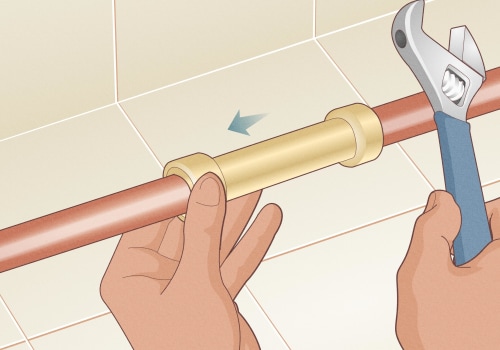
: To successfully install your kitchen plumbing, you will need various tools and materials. Essential tools include a pipe wrench, adjustable wrench, pliers, screwdriver, and a hacksaw. Materials typically required are PVC pipes, connectors, Teflon tape, pipe fittings, and a sink drain assembly.3.Shutting Off Water Supply
: Before you begin any plumbing work, make sure to shut off the water supply to prevent leaks and flooding.This is usually done via the main water shut-off valve.
4.Installing the Sink Drain
: Start by installing the sink drain assembly. Follow the manufacturer’s instructions to attach the drain to the sink properly. Ensure that all connections are tight and secure.5.Connecting the Water Supply Lines
: Next, connect the water supply lines to both the hot and cold water faucets. Use Teflon tape on threaded connections to ensure a tight seal and prevent leaks.6.Installing the Dishwasher Connection
: If you have a dishwasher, connect it to the hot water supply line using appropriate fittings.Additionally, install a drain hose that connects to the sink drain or garbage disposal.
7.Testing for Leaks
: Once everything is installed, turn the water supply back on and check for leaks at all connection points. Run water through the sink and dishwasher to ensure proper drainage.8.Final Adjustments
: Make any necessary adjustments to ensure everything is functioning correctly. Secure any loose pipes or fittings as needed. By following these steps carefully, Portland residents can achieve a successful kitchen plumbing installation that will serve them well for years to come.Maintenance Tips for Your Kitchen Plumbing
Maintaining your kitchen plumbing is essential to ensure its longevity and functionality. Regular upkeep can prevent costly repairs and ensure your plumbing system operates smoothly.Here are some routine maintenance practices that can extend the life of your kitchen plumbing installations.
1.Regular Inspections:
Schedule routine inspections of your kitchen plumbing to identify any signs of wear and tear. Look for leaks, corrosion, or any unusual sounds coming from your pipes. Early detection can save you money and time in the long run.2.Clean Drains:
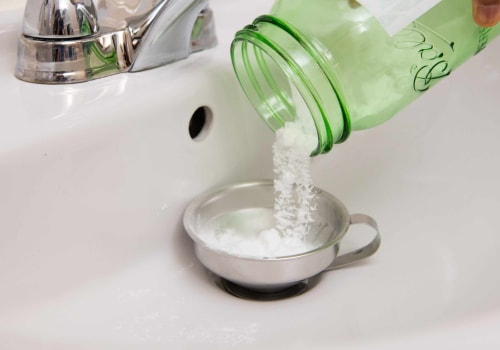
Keep your kitchen drains clear by regularly removing food particles and debris. Use a mixture of baking soda and vinegar to clean and deodorize your drains naturally.Avoid pouring grease or oil down the sink, as they can cause blockages.
3.Water Quality Checks:
Test your water quality periodically. High levels of minerals or contaminants can damage pipes over time. If necessary, consider installing a water softener or filter to improve water quality.4.Check Water Pressure:
Monitor the water pressure in your kitchen. High water pressure can stress plumbing fixtures and lead to leaks.If you notice unusually high pressure, consult a licensed plumber to adjust it.
5.Insulate Pipes:
In colder months, insulate exposed pipes to prevent freezing and bursting. This is especially important in Portland, where temperatures can drop significantly during winter.6.Use Strainers:
Install strainers in sinks to catch food scraps and debris before they enter the plumbing system. This simple step can greatly reduce the risk of clogs. By following these maintenance tips, you can help ensure that your kitchen plumbing installations remain in excellent condition, providing reliable service for years to come. In conclusion, this article has provided valuable insights into kitchen plumbing installation, emphasizing the vital role it plays in enhancing daily life for Portland residents. We explored the essential components of kitchen plumbing, detailed a step-by-step installation process, and identified common issues that can arise if installations are not performed correctly.We also highlighted the importance of hiring licensed professionals to ensure quality work and adherence to local regulations, as well as tips for finding affordable plumbing services in Portland. Furthermore, regular maintenance is crucial in preventing future plumbing problems and ensuring the longevity of your kitchen plumbing system. By investing in professional installations and routine upkeep, homeowners can save time, money, and stress down the line. We encourage readers to reach out for assistance or consultation regarding their kitchen plumbing needs, ensuring they receive the expert support necessary for a functioning kitchen.