Are you tired of dealing with clogged drains and the frustration that comes with them? Using a plunger effectively can be a game-changer for homeowners looking to tackle their plumbing issues without calling in a professional. This humble yet powerful tool is often underestimated, but when wielded correctly, it can save you time, money, and a considerable amount of stress. In this guide, we will explore the essential techniques that will turn you into a plunger pro. Whether you're facing a stubborn toilet blockage or a sink that refuses to drain, understanding the art of plunging is crucial. We’ll delve into the different types of plungers available, their specific uses, and the step-by-step methods that will help you achieve optimal results. Join us as we demystify the process and empower you to take control of your home’s plumbing issues.
With the right knowledge and techniques at your fingertips, you'll be well-equipped to handle whatever clog comes your way. Say goodbye to costly plumber visits and hello to DIY success!Homeowners in Portland often encounter common plumbing issues such as clogged sinks and toilets. Understanding how to use a plunger effectively can be a cost-saving and immediate solution. While it may seem like a simple task, proper technique is crucial for resolving plumbing problems quickly and efficiently.
In this guide, we will explore the step-by-step process of using a plunger effectively, including the different types of plungers available and their specific uses. To begin with, it’s important to know the two main types of plungers: cup plungers and flange plungers. Cup plungers are typically used for flat surfaces like sinks, while flange plungers are designed for toilets and have an extended rubber flange that helps create a better seal in the toilet drain. Selecting the right type of plunger is essential for maximizing effectiveness. Before diving into the actual plunging process, preparation is key. Start by clearing the surrounding area of any items or obstacles that could impede your movements.
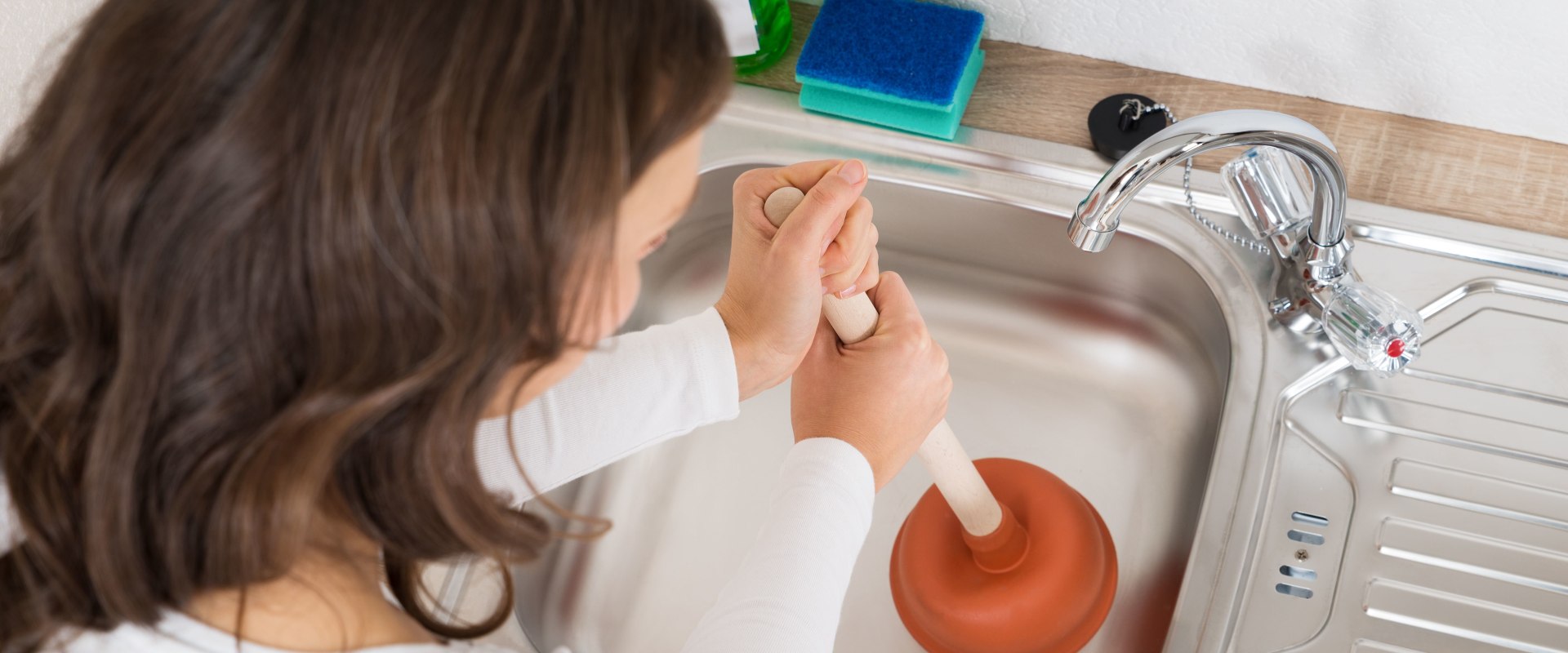
This includes removing any bathroom mats or nearby cleaning supplies. Next, ensure that there is enough space around the toilet or sink for you to maneuver freely. Check that the plunger is clean and free from debris; this can prevent any unwanted mess during the process. Once the area is prepared, it’s time to focus on sealing the drain properly. For sinks, fill the basin with enough water to cover the rubber cup of the plunger.
This helps create a better seal and provides the necessary suction needed to dislodge the clog. If you are plunging a toilet, ensure that there is enough water in the bowl to cover the flange of the plunger. The correct plunging technique involves using firm yet controlled movements. Position the plunger over the drain and press down gently to create an initial seal. Then, apply forceful up-and-down motions while maintaining that seal.
It’s important to keep a consistent rhythm; too much force can break the seal, while too little may not generate enough pressure to dislodge the clog. Aim for about 15-20 vigorous thrusts before checking if the blockage has cleared. If you encounter stubborn clogs that refuse to budge, don’t panic. Sometimes, it may take several attempts with varied force or rhythm to dislodge tougher blockages. If after repeated tries there’s no change, you may want to consider additional methods such as using hot water or a mixture of vinegar and baking soda before returning to your trusty plunger. However, if you’ve tried everything and still can’t clear the clog, it might be time to recognize when professional plumbing assistance is necessary.
Signs that you should call in a professional include multiple clogs occurring in different fixtures simultaneously or persistent drain issues despite your best efforts. For example, kitchen sink backups often happen after food particles or grease accumulate in the pipes. Using a cup plunger here can be effective if done correctly. Similarly, toilet clogs usually occur when excessive paper products or foreign objects are flushed. A flange plunger is ideal for these situations due to its design which fits snugly in toilet bowls. It’s understandable that some homeowners may feel intimidated by plumbing tasks, especially if they have little experience.
However, it’s important to remember that mastering this skill takes practice. With each attempt, you will become more familiar with how your plunger works and develop confidence in addressing these common household problems. By following these steps and tips on using a plunger effectively, homeowners can save money on plumbing services and tackle minor plumbing emergencies with ease.
When to Call a Professional
While mastering the art of plunging can resolve many common plumbing issues, there are times when using a plunger effectively may not be sufficient. Homeowners in Portland should be aware of certain signs that indicate it’s time to call a licensed plumber. If you find that multiple fixtures in your home are experiencing clogs simultaneously, this could signify a more serious issue with your plumbing system. In such cases, it is advisable to consult a professional who can assess the situation thoroughly. Additionally, if you have tried plunging and the clog persists after several attempts, it may be time to seek help.A stubborn blockage could be due to tree roots, foreign objects, or other obstructions that require specialized tools and expertise to resolve. Another situation where calling a professional is necessary is if you notice any signs of water damage or leaks around your plumbing fixtures. This could indicate a more significant problem within the pipes that could lead to costly repairs if not addressed promptly. Finally, if you are uncertain about the cause of the clog or feel uncomfortable handling the situation yourself, it is always best to err on the side of caution and reach out to a licensed plumber. They possess the skills and knowledge to diagnose and fix plumbing issues effectively, ensuring your home remains safe and functional.
Preparation: Setting Up for Success
Before diving into the art of plunging, it’s crucial to lay the groundwork for success. Proper preparation can greatly enhance your effectiveness and minimize frustration.Start by gathering your materials: a high-quality plunger, preferably a flange plunger for toilets and a cup plunger for sinks, as each is designed for specific tasks. Next, ensure you have protective gear, such as gloves and old towels or rags, to keep your hands clean and manage any spills. It’s also advisable to have a bucket nearby to collect excess water from the clogged fixture. Before you begin plunging, remove any visible debris from around the drain. This includes hair, food particles, or anything else that could hinder the plunging process. If you’re dealing with a toilet, make sure the water level is appropriate; too much water can make plunging ineffective and messy. Additionally, if you’re plunging a sink, consider filling it with enough water to cover the plunger's cup for optimal suction.
This will create a better seal and increase the effectiveness of your efforts. Lastly, if other drains in your home are also slow or clogged, it may be wise to check those as well to prevent future issues while you’re in the midst of tackling this problem. By taking these preparatory steps, you’ll set yourself up for success, making your plunging efforts more efficient and effective.
The Proper Technique: How to Plunge Like a Pro
Using a plunger effectively requires more than just a few quick thrusts. To truly master this essential tool, homeowners should follow these steps for optimal results. First, ensure a good seal around the drain. Position the plunger over the clogged sink or toilet, making sure that the rubber part completely covers the opening.This creates a vacuum effect that is crucial for effective plunging. Next, add water if necessary. In sinks, the water level should be sufficient to cover the plunger's cup. This helps create pressure and enhances the suction effect when you begin to plunge. Now, it’s time to get into rhythm. Start by pressing down gently to push air out of the plunger before applying force.
Then, with a swift motion, pull up sharply to create suction. Repeat this motion vigorously for about 15-20 seconds. Remember, it’s the rhythm and force that will help dislodge the clog. Maintain your grip and continue with consistent thrusts, alternating between pushing down and pulling up. The goal is to create a strong upward and downward force that can break up the blockage.
If you feel resistance, adjust your angle slightly while continuing to ensure that you maintain a good seal. Finally, after several vigorous attempts, remove the plunger and check if the water drains properly. If it does not, repeat the process until the clog is resolved. With practice, plunging can become a quick and effective way to handle plumbing issues in your home.
Choosing the Right Plunger for Your Needs
When it comes to using a plunger effectively, choosing the right type of plunger is crucial for tackling different plumbing issues. There are primarily two types of plungers that homeowners should be familiar with: the cup plunger and the flange plunger. The cup plunger, often recognized by its rubber suction cup and straight handle, is ideal for clogged sinks and other flat surfaces.Its design allows for a strong seal over the drain, which is essential for creating the necessary suction to dislodge minor blockages. If you frequently face issues with kitchen sinks or bathroom basins, this is likely the best option for you. On the other hand, the flange plunger, which features a more specialized design with an extended rubber flange, is best suited for clogged toilets. The flange helps create a better seal in the toilet bowl, allowing for greater pressure and suction to be applied to stubborn clogs. If you often deal with toilet backups, investing in a flange plunger will significantly improve your chances of resolving the issue swiftly. In summary, understanding the differences between these plungers can enhance your ability to use a plunger effectively.
For general sink clogs, opt for a cup plunger; for toilet issues, reach for a flange plunger. Having both types on hand will equip you to handle most common plumbing challenges that arise in your home.
Troubleshooting Common Problems
When using a plunger, homeowners may encounter several common issues that can hinder their efforts to clear clogs effectively. Understanding these problems and having the right solutions at hand can save time and frustration.1.Clog Persists
: If you find that the clog is still present after several attempts with the plunger, it may be time to reassess your technique. Ensure that you are using a proper plunger designed for the specific fixture—sink plungers have a flat bottom, while toilet plungers have a flange.Make sure to create a tight seal over the drain to allow for effective suction and pressure.
2.Overflowing Water
: If water starts to overflow while you are plunging, stop immediately to prevent a mess. Place a bucket or towel underneath to catch any spills. You might need to wait for the water level to drop before continuing. Additionally, check if there are any other plumbing issues, such as blockages further down the line.3.No Suction
: Sometimes, plunging may not create enough suction if the plunger isn't positioned correctly or if there's air escaping around the edges.Ensure that the rubber portion is entirely covering the drain and that you're plunging with consistent force, maintaining an airtight seal.
4.Unpleasant Odors
: If you notice bad smells while plunging, it could indicate decomposing food or waste stuck in the pipes. In this case, using a mixture of baking soda and vinegar before plunging can help break down organic material and neutralize odors.5.Persistent Clogs
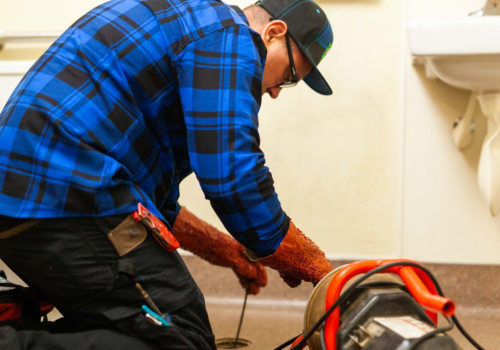
: If clogs continue to be a recurring issue even after multiple plunging attempts, consider using a drain snake or auger as an alternative method for clearing stubborn blockages. Sometimes, deeper issues within the plumbing system require professional intervention. By being aware of these troubleshooting tips, homeowners can master the art of plunging and tackle common plumbing problems efficiently. In conclusion, mastering the art of plunging can save homeowners both time and money when facing common plumbing issues. We discussed the importance of choosing the right plunger for your needs and preparing adequately before tackling a clog.The proper technique is essential for effective results, and troubleshooting common problems can help prevent frustration. Remember, while knowing how to plunge effectively is invaluable, there are times when it is best to call a professional. Regular maintenance of your plumbing system can mitigate future issues and keep your home running smoothly. Always have access to reliable plumbing services in Portland for emergencies, ensuring peace of mind during unforeseen challenges.