Are you tired of dealing with clogged drains that disrupt your daily routine? Whether it's the kitchen sink, bathroom shower, or any other drain in your home, blockages can be a real nuisance. Fortunately, there is a simple yet effective solution that you might already have in your pantry: the Baking soda and vinegar methodBaking soda and vinegar method. This natural remedy has been used for generations, not just for cleaning but also for tackling stubborn clogs in a safe and eco-friendly way. In this article, we will delve into the science behind how this dynamic duo works to dissolve grease, grime, and other debris that often leads to drain blockages. By combining baking soda, a mild abrasive and alkaline substance, with vinegar, a natural acid, you create a fizzing reaction that can break down even the toughest clogs.
Not only is this method effective, but it also avoids the harsh chemicals found in many commercial drain cleaners, making it a safer option for your family and the environment. We will guide you through the step-by-step process of using the Baking soda and vinegar method to unclog your drains efficiently. Additionally, we will share tips on how to prevent future clogs and maintain your plumbing system. So grab your apron and get ready to discover how you can restore the flow to your drains with this simple DIY technique!Clogged drains are a common issue in many households, including those in Portland, where the combination of older plumbing systems and daily usage can lead to build-up over time. Homeowners often find themselves searching for affordable and effective DIY methods to tackle these clogs before deciding to call a plumber.
One such method that has gained popularity is the Baking soda and vinegar method, which serves as a natural solution that is safe for both residential and commercial plumbing systems. To understand why the Baking soda and vinegar method is effective for unclogging drains, we need to delve into the science behind it. Baking soda (sodium bicarbonate) is a base, while vinegar (acetic acid) is an acid. When combined, they create a chemical reaction that produces carbon dioxide gas and water. This reaction can help to dislodge debris and build-up in the pipes.
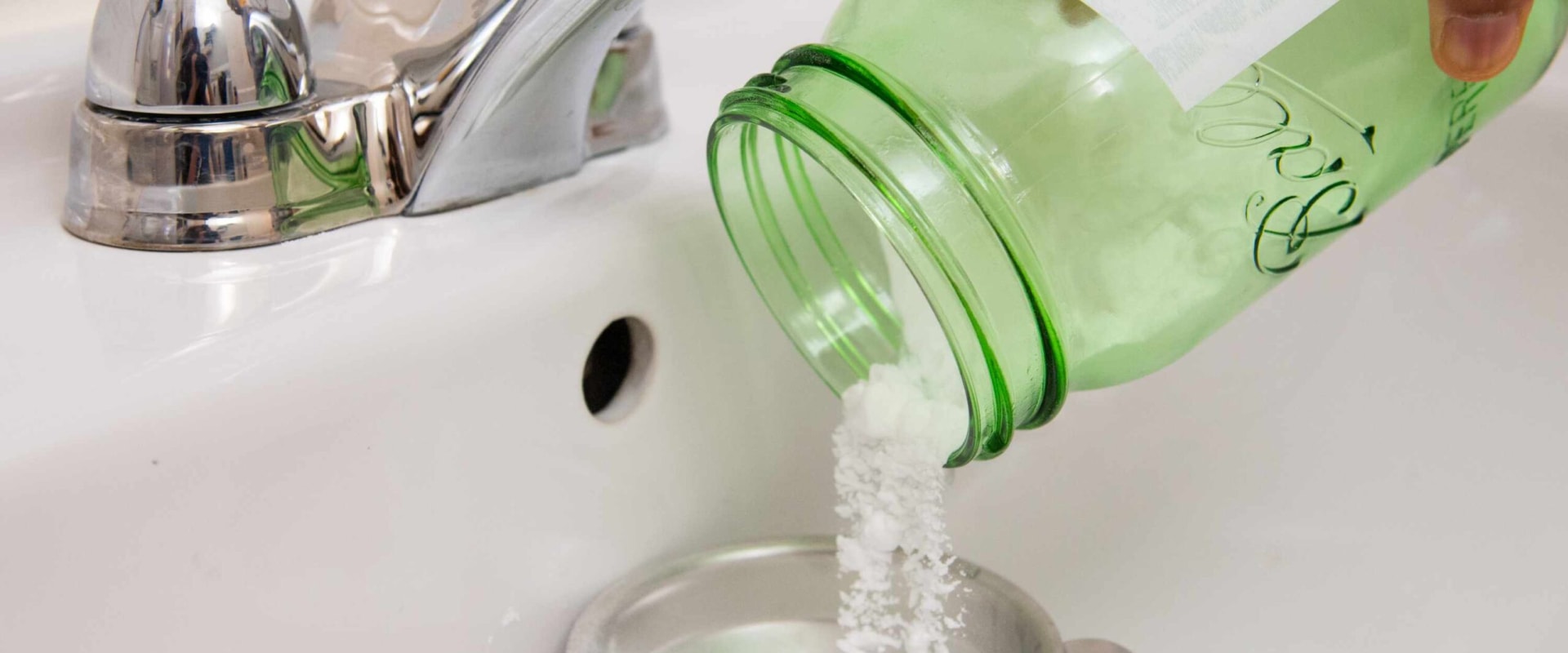
The fizzing action created by this reaction can help to break apart clogs made up of organic materials like hair, grease, and food particles, making it easier for water to flow through the pipes. Using the Baking soda and vinegar method is straightforward and requires only a few materials: half a cup of baking soda, half a cup of vinegar, and hot water. First, ensure that your drain is free of standing water. Begin by pouring the baking soda down the drain. Follow this with the vinegar; you will notice fizzing almost immediately.
Cover the drain with a cloth or plug it to keep the reaction contained within the pipes for about 30 minutes. After this time has elapsed, flush the drain with hot water to wash away any loosened debris. For optimal results, you might want to repeat this process one more time. It’s important to take some safety precautions while using this method. Although both baking soda and vinegar are generally safe household items, avoid mixing them with other cleaning chemicals, as this can produce harmful gases.
Always work in a well-ventilated area and consider wearing gloves if you have sensitive skin. For maintenance purposes, using the Baking soda and vinegar method once a month can help prevent clogs from forming in the first place. This proactive approach keeps your drains clear and minimizes the likelihood of serious blockages developing over time. However, there are some misconceptions regarding its effectiveness; while this method works well for minor clogs or as a preventive measure, it may not be sufficient for more severe blockages caused by grease accumulation or foreign objects lodged in the pipes. This method is particularly useful in kitchens where grease and food particles often lead to clogs, as well as in bathrooms where hair can accumulate in drains. It’s also worth noting that while DIY solutions like this one can be effective for everyday drain issues, there are situations where professional plumbing services may be necessary.
If you find that multiple drains in your home are clogged simultaneously or if you’ve tried the Baking soda and vinegar method without success, it might indicate a more serious problem within your plumbing system that requires a licensed plumber’s expertise. In summary, while using the Baking soda and vinegar method can be an excellent first step in addressing clogged drains, it’s important to recognize its limitations. Regular maintenance with this natural solution can help keep your drains clear, but don’t hesitate to call in professionals when faced with more complex plumbing issues.
Understanding the Chemistry
The baking soda and vinegar method is a popular DIY solution for tackling clogged drains, and understanding the chemistry behind this method can shed light on why it is effective. When you combine baking soda (sodium bicarbonate) with vinegar (acetic acid), a chemical reaction occurs that produces carbon dioxide gas, water, and sodium acetate. This reaction begins when the two substances are mixed. The acetic acid in vinegar reacts with the sodium bicarbonate in baking soda to form carbonic acid, which is unstable and quickly decomposes into water and carbon dioxide gas.The effervescence created by the release of carbon dioxide helps to dislodge and break apart any debris or buildup within the drain. Moreover, this reaction not only serves to clear clogs but also helps to neutralize odors commonly associated with stagnant water in drains. The bubbling action can effectively lift grime and grease, making it easier for water to flow freely through the plumbing system. Using this natural solution is advantageous as it avoids harsh chemicals that can damage pipes or harm the environment. By understanding the simple yet effective chemistry involved in the baking soda and vinegar method, homeowners can confidently tackle minor clogs without resorting to expensive plumbing services.
Maintenance Tips for Clog Prevention
Preventing clogged drains is essential for maintaining a healthy plumbing system in your home. Here are some effective maintenance tips that can help keep your drains clear:Regular Cleaning: Make it a habit to clean your drains regularly.Pouring boiling water down the drain can help dissolve grease and soap buildup. This simple method can be done once a week to maintain clear pipes.
Use Drain Screens
: Installing drain screens or strainers in your sinks, showers, and tubs can significantly reduce the amount of hair, food particles, and debris that enter your plumbing system. Clean these screens regularly to ensure they remain effective.Avoid Grease Disposal
: Never pour grease or oil down your drains. Instead, collect it in a container and dispose of it in the trash.Grease can solidify in pipes, leading to serious clogs.
Be Mindful of What Goes Down the Drain
: Only flush toilet paper and human waste down the toilet. Avoid flushing items like wipes, cotton balls, or feminine hygiene products, as these can cause blockages.Perform Routine Inspections
: Periodically check your plumbing fixtures for leaks or signs of wear. Addressing small issues early can prevent larger problems down the line. If you follow these tips but still experience frequent clogs, it may be time to consider calling a plumber. Persistent drainage issues could indicate more serious problems within your plumbing system that require professional attention.When to Call a Professional
While the baking soda and vinegar method can be an effective DIY solution for minor clogs, there are certain scenarios where it is advisable to call a professional plumber.Understanding these situations can save you time, money, and potential damage to your plumbing system. Firstly, if you have tried the baking soda and vinegar method multiple times without success, it may indicate a more serious blockage that requires professional tools and expertise. Persistent clogs could be caused by objects lodged deep within the pipes or extensive buildup of grease and debris. Secondly, if you notice signs of water backing up into other drains or fixtures in your home, this could suggest a larger issue within the plumbing system. This situation often signals a main line obstruction that should be addressed by a professional. Additionally, if you experience frequent clogs despite regular maintenance, it may be time to consult with a plumber. This could indicate underlying issues such as tree root intrusion, damaged pipes, or inadequate drainage design that require specialized solutions. Lastly, in cases where there is standing water in your sink or bathtub that does not drain after attempting DIY methods, calling a professional is highly recommended.
Standing water can lead to more severe plumbing issues and might pose health risks due to stagnant water and potential mold growth. In conclusion, while the baking soda and vinegar method is an excellent first step for tackling minor drain issues, recognizing when to seek professional assistance is crucial for maintaining the integrity of your plumbing system.
How to Use Baking Soda and Vinegar
Using the Baking Soda and Vinegar method for unclogging drains is a simple yet effective DIY solution. Follow these easy steps to get started:Step 1: Gather your materials. You will need 1 cup of baking soda, 1 cup of vinegar, and hot water. Make sure to have a measuring cup handy for accurate measurements.Step 2:
Begin by pouring the cup of baking soda directly into the clogged drain.Ensure that it goes down the drain and does not sit on the surface.
Step 3:
Next, measure out 1 cup of vinegar and slowly pour it down the drain over the baking soda. You will notice some fizzing and bubbling, which indicates that a reaction is taking place.Step 4:
Allow the mixture to sit for about 30 minutes. This waiting period lets the baking soda and vinegar work together to break down any clogs or buildup in your pipes.Step 5:
After 30 minutes, heat up about 2 cups of water until it is boiling. Carefully pour the hot water down the drain to flush out any remaining debris and clear the clog.Step 6:
Finally, run some cool water through the drain for a minute or two to ensure everything is flowing smoothly. This Baking Soda and Vinegar method is not only effective but also environmentally friendly, making it a great choice for homeowners looking to maintain their plumbing systems without harsh chemicals. In conclusion, utilizing the baking soda and vinegar method offers a natural and cost-effective solution for many homeowners dealing with clogged drains.This combination not only effectively breaks down minor clogs but also helps maintain the health of your plumbing system without the use of harsh chemicals. It is essential to remember that while this method works well for various minor clogs, understanding when to seek professional help is crucial for maintaining plumbing health. Regular maintenance and prompt action at the first signs of a clog can save you time and money in the long run, ensuring your drains function smoothly.